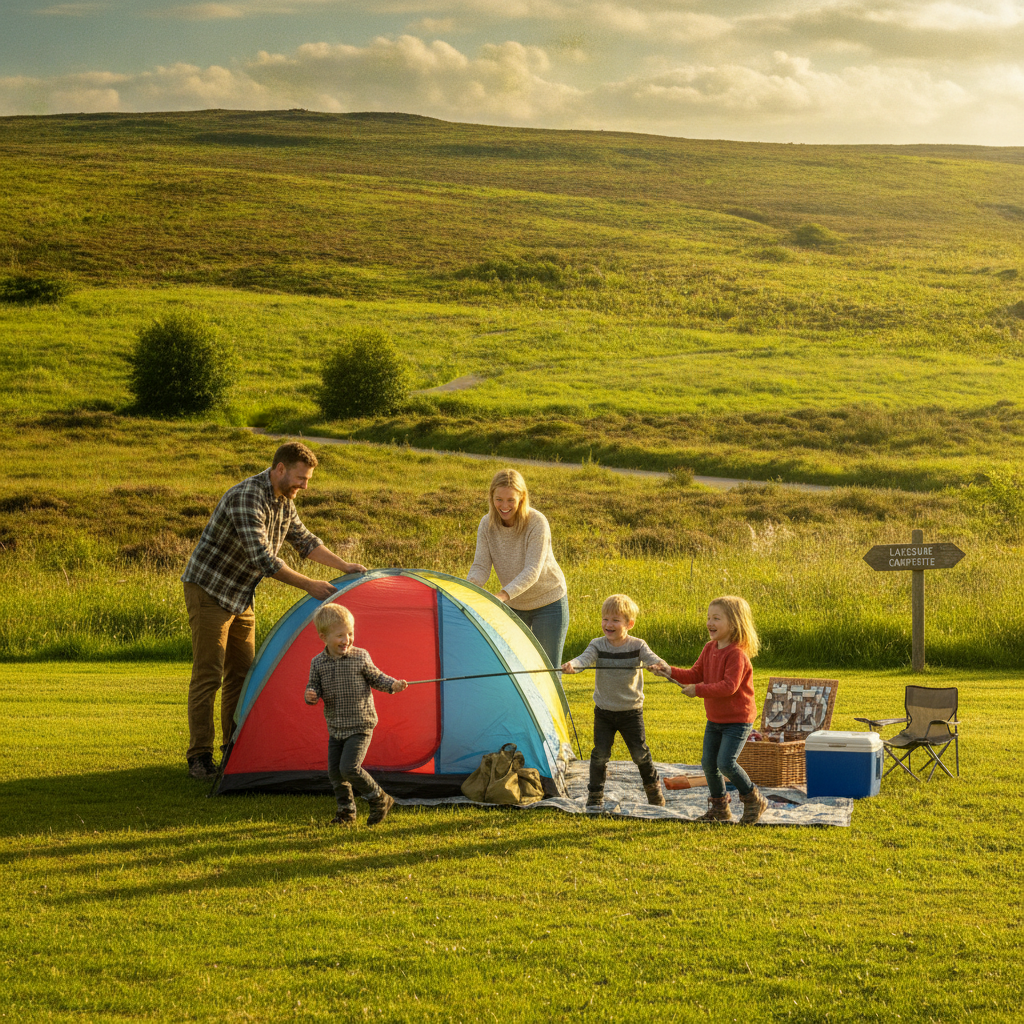
Planning a camping holiday with young children can feel overwhelming if you've never done it before. Where do you even start? What do you pack? What happens if it rains for three days straight? These are the questions every parent asks, and honestly, they're worth thinking through before you pitch your first tent. But here's the truth: some of the best family memories are made under canvas, around a campfire, or tucked into a cosy caravan with rain drumming on the roof. You just need a bit of preparation to make it work.
This guide covers everything from choosing the right site and sleeping arrangements to keeping little ones entertained when the weather turns. Whether your children are toddlers who've never slept anywhere but their own bed, or slightly older kids ready for a proper adventure, there's a camping setup that'll work for your family.
Choosing the Right Type of Camping Holiday for Young Children
Not all camping holidays are the same, and the first big decision is what type of accommodation suits your family best. A traditional tent is the classic choice, but it's not always the most practical option with very young children. Caravans and motorhomes offer more comfort and structure, which can make a real difference when you're managing nap times and bedtime routines.
Glamping has grown enormously in popularity over the last decade, and it's brilliant for families with little ones. Bell tents, shepherd's huts, and wooden lodges often come with proper beds, heating, and sometimes even kitchens. It takes away a lot of the stress of tent camping while still giving you that outdoor feeling. Plenty of UK glamping sites are specifically designed with families in mind.
Tent Camping: Is It Realistic with Small Children?
Absolutely, yes. But go in with realistic expectations. A family-sized tunnel tent with separate sleeping pods makes a big difference to everyone's sanity. Look for tents with blackout inner pods if possible, because nothing ruins a camping morning like a 5am wake-up because the sun's come through the canvas.
Sleeping arrangements matter more than anything else. Kids who sleep well will be happier during the day. Bring proper sleeping bags rated for the temperature, use roll mats or self-inflating mats under them, and layer up. Cold nights are the number one reason young children struggle with camping.
Caravans and Motorhomes: More Comfort, More Flexibility
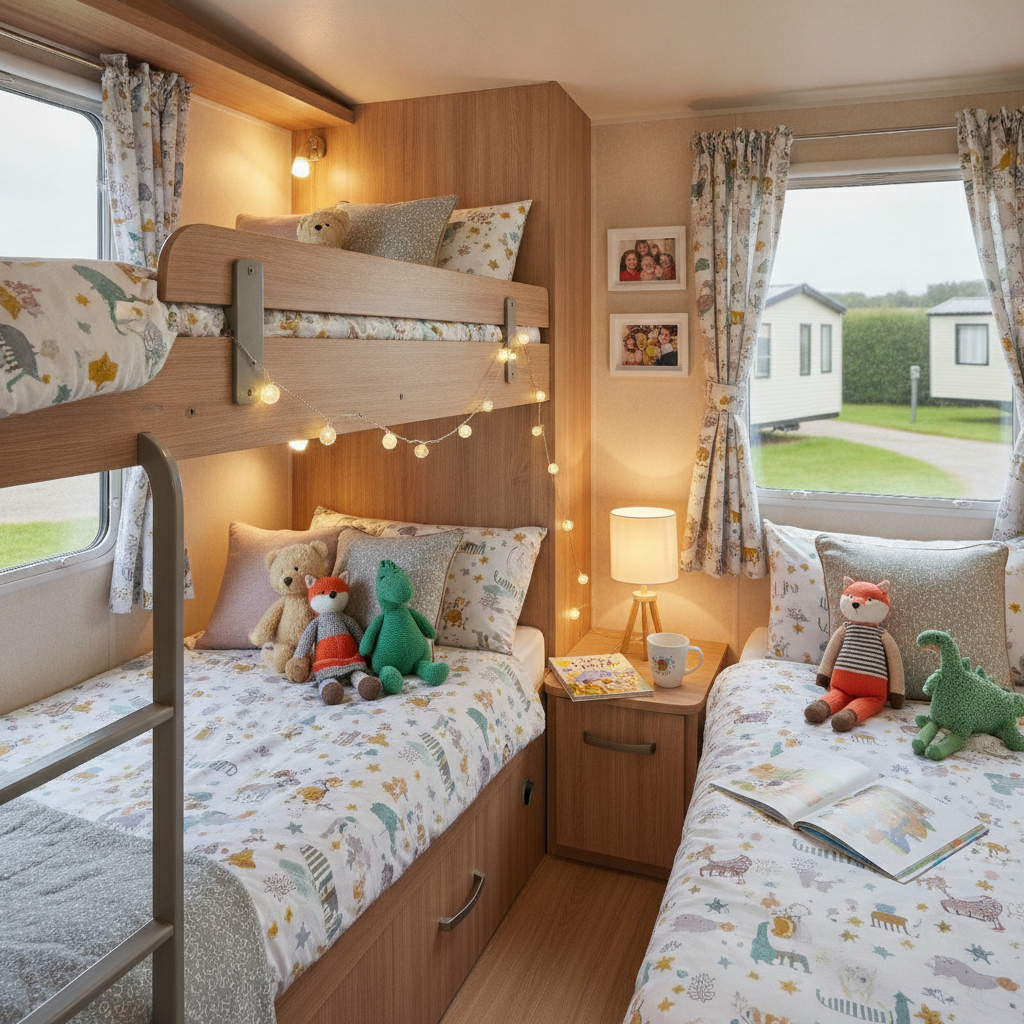
A static caravan or a hired touring caravan gives you a proper kitchen, a bathroom, and separate sleeping spaces. For families with children under five, this can genuinely make the difference between a holiday you enjoy and one you spend counting the days until you're home. Many holiday parks across the UK offer hire caravans so you can try before you buy.
Motorhome holidays are another fantastic option. You get the freedom to move around and explore different areas, and you've always got your own beds and kitchen with you. Hiring a motorhome for a week is more affordable than most people expect, especially when you factor in the cost of hotels or holiday cottages.
Picking the Best Campsite for Families with Young Children
The campsite you choose can make or break your holiday. Not every site is suitable for young families, so it's worth doing your research before you book.
Look for sites with clean, well-maintained toilet blocks close to the pitches. With a toddler, you really don't want to be trekking across a field at 2am. Sites with family bathrooms or baby-changing facilities are a genuine bonus. Good facilities make the whole experience more relaxed.
What to Look For in a Family-Friendly Site
Playgrounds are an obvious one. A decent play area gives children somewhere to burn off energy while you're setting up camp or cooking dinner. Many of the best family sites now have dedicated play areas for different age groups, including toddler-safe equipment with soft surfacing.
Swimming pools are a major draw, especially in summer. Sites with heated pools, paddling pools, or splash areas are worth seeking out. Children will happily spend hours in the water, and it gives parents a chance to relax too. Entertainment programmes, kids' clubs, and evening activities can also help break up the day.
Traffic management matters more than people realise. Look for sites with speed restrictions and pedestrian-only areas near pitches. Peace of mind that your children can wander safely is priceless.
Top UK Regions for Family Camping
The UK is packed with outstanding areas for family camping holidays. Cornwall is the perennial favourite, with its beaches, rock pools, and surf schools. The Lake District offers incredible scenery and gentle walks that even young children can manage. The Yorkshire coast has brilliant seaside towns like Whitby and Scarborough on the doorstep.
Don't overlook the Forest of Dean in Gloucestershire, which has brilliant cycling trails and Go Ape tree-top adventures for older children. Pembrokeshire in Wales offers stunning coastal paths and some of the cleanest beaches in Britain. Browse Campercation's listings to find family-friendly sites across all these regions and more.
Essential Kit for Camping with Young Children
Packing for a family camping trip is an art form. You want to be prepared without lugging half your house across a field. Here's what actually matters.
A good travel cot or portable toddler bed is non-negotiable for under-threes. Some tents have integrated toddler sleep compartments, which are worth looking for. For older children, a decent sleeping bag and a comfortable mat are all they really need.
Kitchen and Cooking Essentials
Eating well is central to a good camping holiday. A two-burner camp stove handles most meals perfectly well. Bring a large pan for pasta and soups, a frying pan, and a kettle. Kids generally eat more enthusiastically outdoors, which is one of camping's best-kept secrets.
Keep food simple. Sausages, beans, eggs, pasta, and porridge are your staples. Pack some treats for around the campfire. Marshmallows for toasting are basically mandatory. A cool box with ice packs will keep things fresh for the first couple of days; after that, most sites have a shop or you can restock locally.
Clothing and Wet-Weather Gear
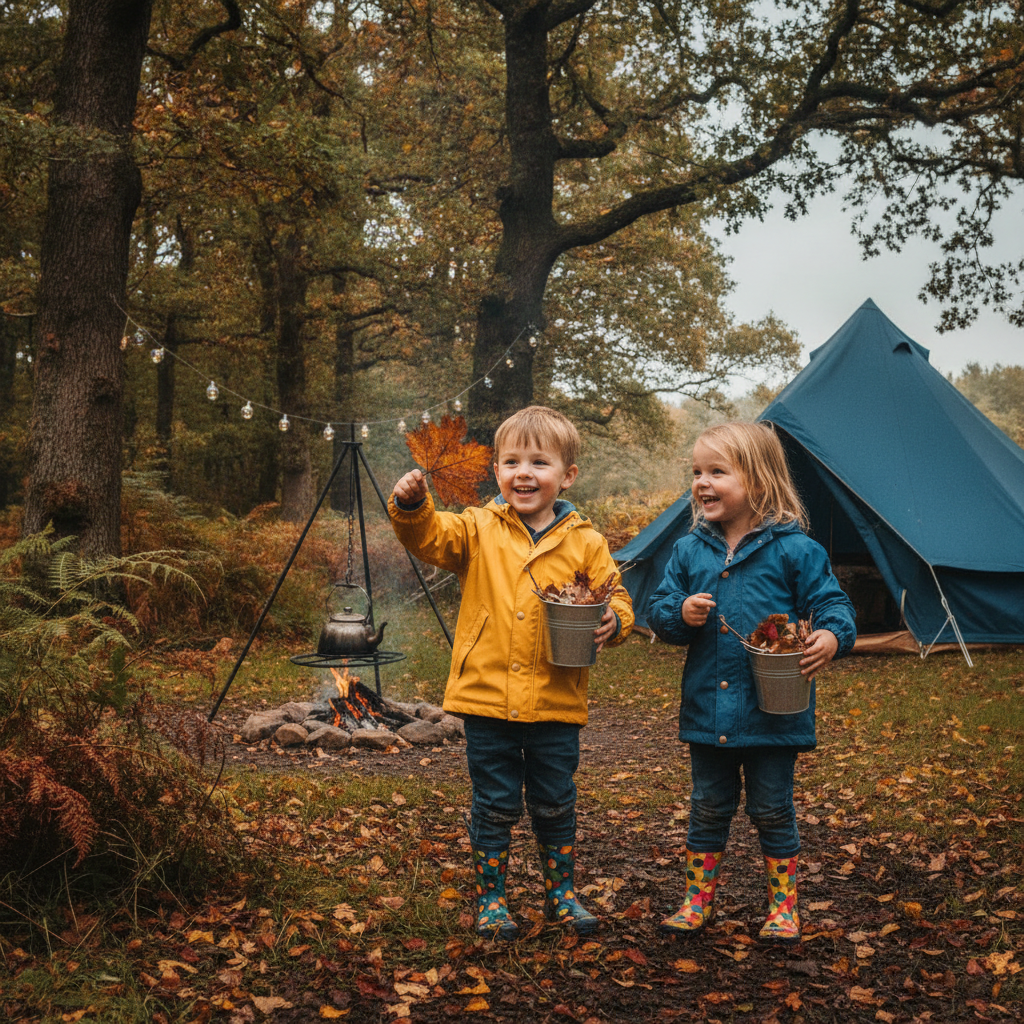
Pack twice as many clothes as you think you'll need. Children get dirty at a rate that defies belief when they're camping. Waterproofs are absolutely essential for every family member, no matter what the forecast says. Good wellies are worth their weight in gold.
Layers are the key to staying comfortable. Temperatures can drop sharply in the evening even in summer. A fleece, a waterproof jacket, and thermals for cooler nights will keep everyone happy.
Keeping Kids Entertained on a Camping Holiday
One of the great joys of camping with children is that nature does a lot of the entertainment for you. Give kids a patch of outdoor space and they'll find things to do. But a bit of planning goes a long way, especially for days when the weather closes in.
Outdoor activities are the obvious starting point. Rock pooling is endlessly fascinating for young children. A simple net, a bucket, and a rock pool guide will keep them occupied for hours. Many coastal campsites are within walking distance of good rock-pooling beaches.
Nature Activities and Outdoor Exploration
Nature scavenger hunts are brilliant. Print out a simple list of things to find: an acorn, a feather, a smooth stone, something yellow, a pine cone. Children love the sense of purpose and the small triumphs of finding each item. You can make these yourself or download them for free online.
Cycling is another winner. Many holiday parks and campsites have cycle paths on site, and the surrounding countryside often has traffic-free trails suitable for young riders. Hiring bikes on site is usually possible, which means you don't have to faff with roof racks and bike carriers.
Den building, campfire cooking, and stargazing all tend to capture children's imaginations in a way that screens simply can't match. These are the experiences that stick with kids for years.
Rainy Day Ideas for Camping Families
Rain is part of the British camping experience. Accept it and plan for it rather than dreading it. A good canopy or awning transforms your pitch into a usable outdoor space even in a downpour. Many families find rainy days become their favourite camping memories.
Inside the tent or caravan, bring a few low-key activities. Card games, a small travel board game, colouring books, and audiobooks all work brilliantly. The RNIB's Listening Books and Audible both have great children's content for rainy afternoons.
Nearby attractions are worth researching in advance. Most UK camping regions have indoor options: farm parks, soft play centres, aquariums, museums with interactive displays for children. Having a backup plan means a wet day becomes an adventure rather than a disaster.
Bedtime Routines and Sleep Tips for Young Campers
Sleep is the thing that worries parents most. And fair enough, because a child who doesn't sleep well makes the whole family miserable. But camping sleep is actually more achievable than most people expect.
Stick to your normal bedtime routine as closely as you can. Bring familiar things: a favourite stuffed animal, a nightlight, their usual pyjamas. Consistency signals to children that it's time to sleep, even in an unfamiliar environment.
Ear defenders can help at busy sites where noise carries across pitches in the evening. White noise apps on a phone work surprisingly well for younger children. And don't underestimate the power of fresh air and physical activity during the day: children who've spent the day running around and exploring tend to sleep much better than they do at home.
Safety Tips for Camping with Young Children
Safety doesn't have to mean anxiety. A few simple precautions mean you can relax and enjoy your holiday.
Sun protection is critical, especially on the beach or near water. Factor 50 sunscreen, UV protective swimwear, and sun hats should all be in your kit. Apply sunscreen before they go out in the morning and top it up after swimming or any water play.
Campfire safety deserves proper attention. Establish clear rules with children before you light the fire. No running near it, no pushing, always sit or stand back. Keep a bucket of water nearby. These conversations aren't scary for children; they respond well to being treated seriously and given responsibility.
Tick awareness is worth knowing about if you're camping in grassy or woodland areas. Check children's skin after outdoor activities, especially around the hairline, ankles, and behind the knees. A pair of tick tweezers in your first aid kit is a sensible addition.
Ready to Book Your Family Camping Holiday?
Camping with young children is one of the most rewarding family holidays you can have. Yes, it takes more planning than a hotel break. Yes, there will be moments of chaos. But the freedom, the fresh air, and the sheer joy on a child's face when they spot their first deer or catch their first crab makes every moment of preparation worthwhile.
Start small if you're new to it. A weekend at a well-equipped family site close to home is the perfect introduction. Get a few nights under your belt and you'll quickly discover what works for your family and what you'd do differently next time.
Campercation lists hundreds of family-friendly campsites, caravan parks, and glamping sites across the UK. Find the perfect spot for your family's next adventure at campercation.com.