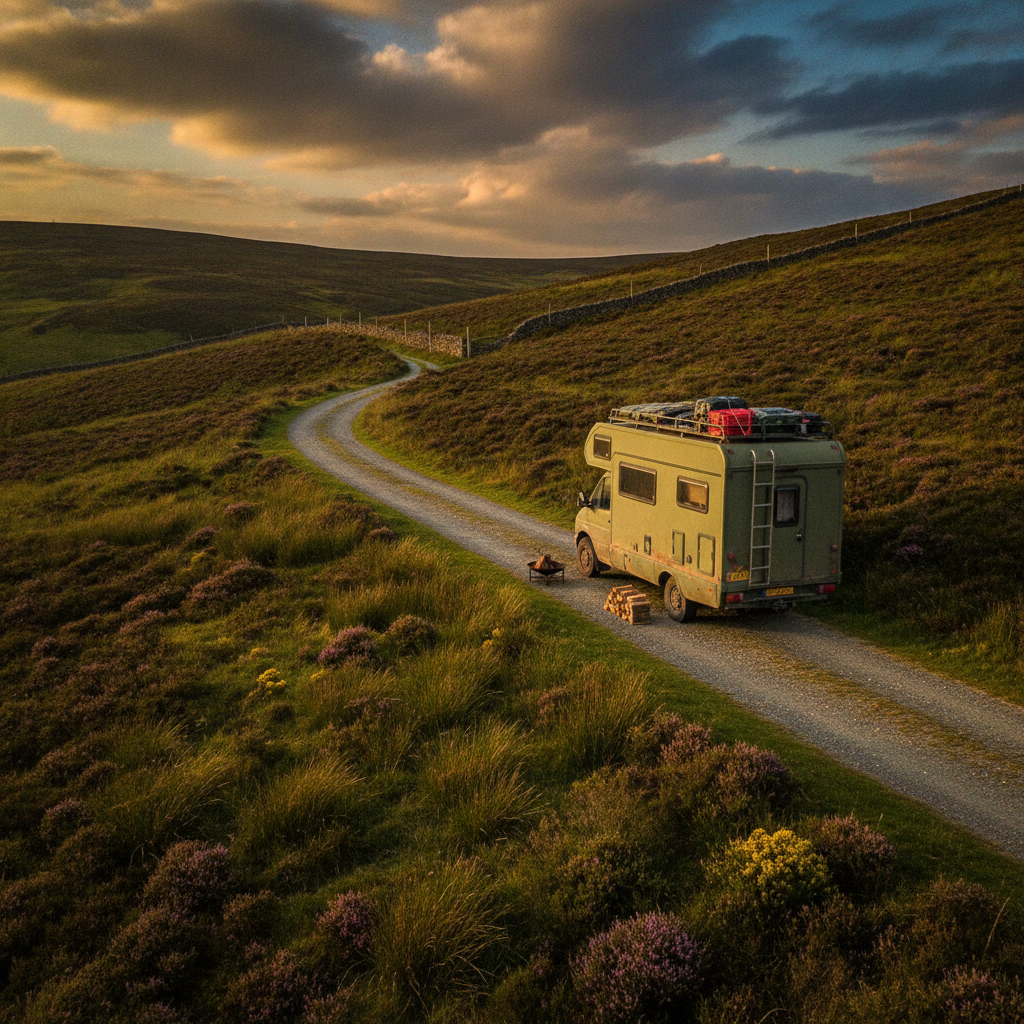
Wild camping in England and Wales is one of those topics that gets campers genuinely excited — and genuinely confused. Unlike Scotland, where the Land Reform Act gives walkers and campers fairly broad access rights, the rules south of the border are a different matter entirely. If you're planning a motorhome holiday or touring with a caravan and you've been daydreaming about pulling up on a quiet clifftop or parking beside a moorland stream, you need to know what's actually legal before you do it.
This guide cuts through the noise. We'll cover where you can and can't wild camp, the grey areas that catch people out, and how to get that off-grid feeling legally and responsibly. Plus we've included some genuinely brilliant motorhome routes around the UK where the scenery does all the talking.
What Does Wild Camping in England and Wales Actually Mean?
Strictly speaking, wild camping in England and Wales is not a legal right. The vast majority of land is privately owned, and pitching up without the landowner's permission is technically trespass. It's a civil offence rather than a criminal one, which means you won't be arrested, but you can be asked to leave and, in some cases, face a fine.
That said, the reality on the ground is more nuanced. Many landowners in rural areas turn a blind eye to respectful campers, particularly those on foot. The issue becomes more complicated when you're in a motorhome or towing a caravan — a vehicle changes the situation significantly, both practically and legally.
The Dartmoor Exception
Dartmoor National Park is the only place in England where there is a legal right to wild camp, and even that right was under threat until relatively recently. A 2023 High Court ruling temporarily removed it before a Court of Appeal decision reinstated Dartmoor's wild camping access. The right covers backpackers and those on foot camping for up to two nights in most areas of the open moor.
Motorhomes and campervans are a different story. You can't legally park a vehicle overnight on the open moor and call it wild camping — designated car parks and campsites are the right approach if you're touring Dartmoor in a motorhome.
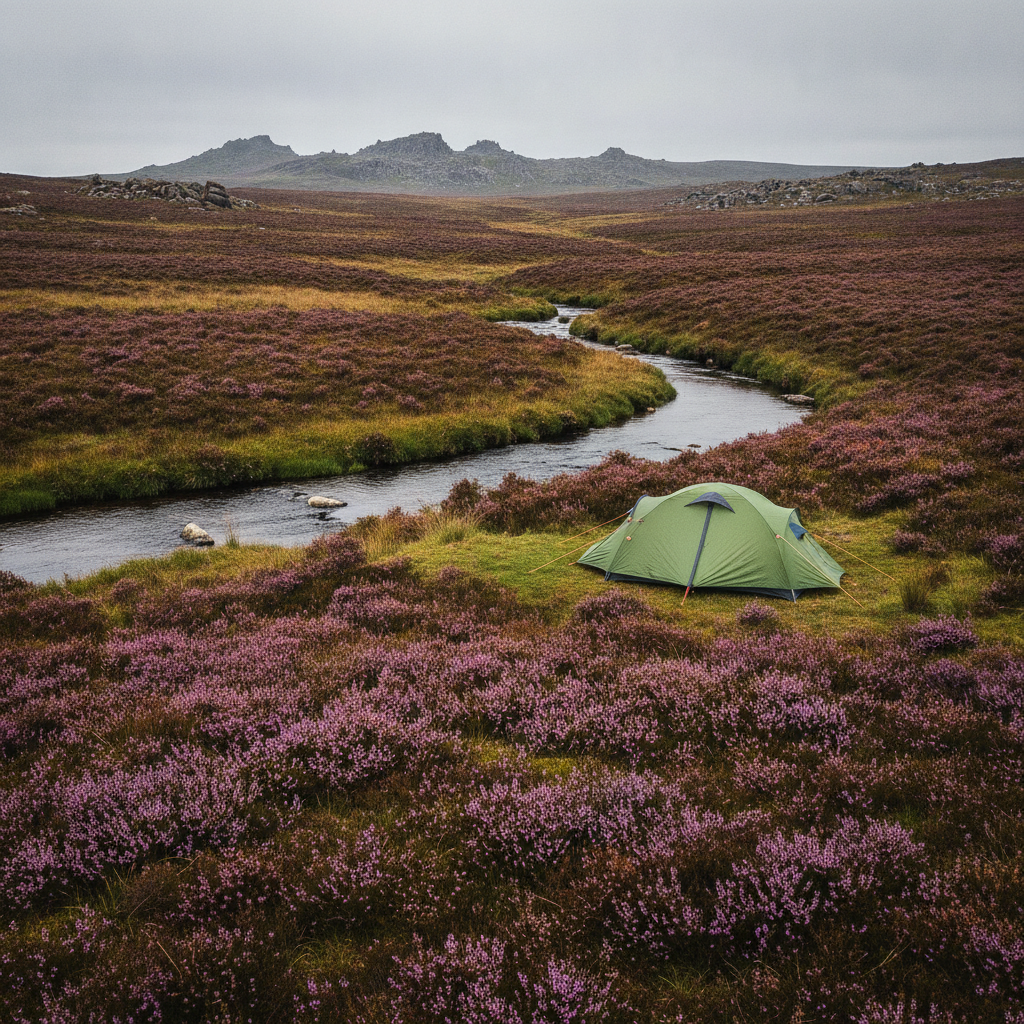
Wild Camping Regulations: What Motorhome Travellers Need to Know
If you're travelling in a motorhome or campervan, there are a few important distinctions to understand. Parking a vehicle overnight on a public road is generally legal as long as you're not causing an obstruction — but sleeping in that vehicle and using camping equipment like awnings, cooking gear, or outdoor furniture can tip it into something councils and landowners treat as camping.
Local authorities have the power to move on vehicles they consider to be causing a nuisance, even on public land. Some areas have introduced Public Spaces Protection Orders specifically targeting overnight camping in vehicles. This is particularly common in popular coastal spots in Cornwall, Devon, and parts of Wales where overnight parking has caused friction with local communities.
Forestry England Land
Forestry England manages around 250,000 hectares of woodland across the country, and the rules for camping on their land vary by location. Some forests have designated camping areas; others don't allow it at all. It's always worth checking the Forestry England website before assuming you can pitch up somewhere that looks empty and inviting. The same goes for National Trust land and land managed by Natural England.
Ask First, Camp Better
The single most effective thing you can do is ask. If you spot a farmer's field or a private piece of land that looks perfect for an overnight stop, knocking on a door or sending a quick message through a farm's website costs nothing. Most farmers who say yes will point you to the best spot and tell you if there's a water tap nearby. It builds goodwill, it's legal, and it often leads to some of the most memorable nights of any motorhome holiday.
Motorhome Stopovers: The Legal Alternatives That Actually Feel Wild
Here's the good news. The UK has a genuinely brilliant network of motorhome-friendly stopovers that offer that remote, off-grid atmosphere without any of the legal uncertainty. These aren't traditional campsites with rows of pitches and a club bar — they're quiet, simple overnight stops in beautiful locations.
Britstops is probably the best-known scheme. It connects motorhome owners with pubs, farms, vineyards, and small businesses across the UK that offer free overnight parking in exchange for your custom. You might park beside a working vineyard in Kent, a farm in the Yorkshire Dales, or a country pub in Shropshire. The annual guide costs around £30 and pays for itself on the first night.
Aire-Style Stopovers
Inspired by the French aire system, a growing number of UK locations now offer dedicated motorhome parking areas with basic facilities like water and waste disposal. They're cheap, usually under £15 a night, and tend to be in far more interesting locations than a standard campsite. Searchmysite and Park4Night are two apps worth downloading before any motorhome tour.
Certified Locations and Small Sites
The Caravan and Motorhome Club runs a network of Certified Locations — small private sites licensed to accommodate up to five units at a time. These are often on farms or in private gardens, giving you that quiet field experience with the peace of mind that you're somewhere legitimate. The Camping and Caravanning Club has a similar scheme called Certified Sites. Membership of either club opens up hundreds of these hidden spots across England, Wales, and Scotland.
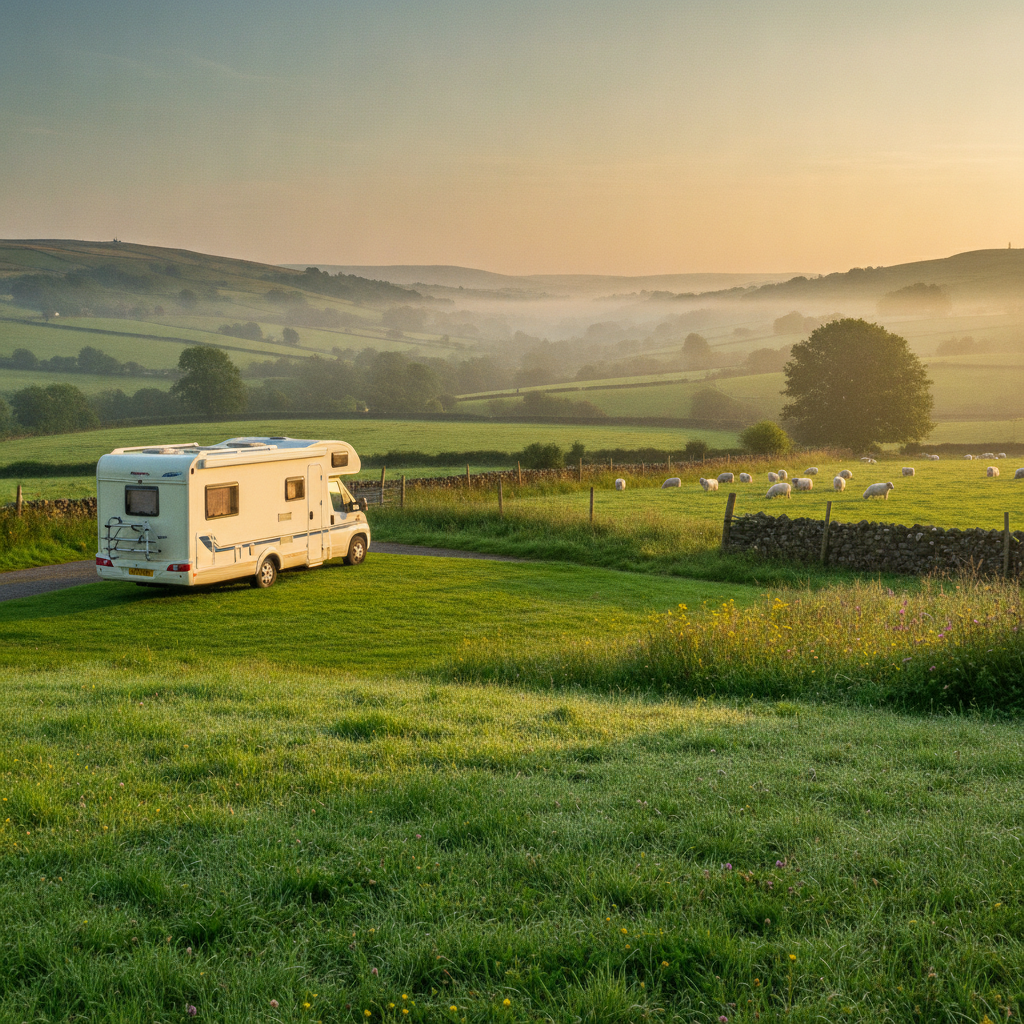
Three Motorhome Routes Worth Planning Your Year Around
A good route makes or breaks a motorhome holiday. These three are favourites for very different reasons, and each one gives you that sense of genuine adventure the best touring holidays always do.
The Pembrokeshire Coast, Wales
Pembrokeshire is extraordinary. The coastal road between Tenby and St Davids takes you through some of the most dramatic scenery in Britain, with proper beaches, sea stacks, and coastline that wouldn't look out of place in a nature documentary. There are excellent caravan parks in the area — many positioned close enough to the coast path that you can walk to secluded coves directly from your pitch. May and June are the sweet spot before the school holiday crowds arrive. Search Campercation for available pitches across Pembrokeshire here: campercation.com
The North Yorkshire Moors and Coast
Start in Whitby, head inland across the moors, and loop back via the coast road through Robin Hood's Bay and Scarborough. The moors feel genuinely vast in a way that surprises people who haven't visited. There are some excellent small caravan sites tucked into the valleys between Goathland and Pickering, and the roads — while narrow in places — are generally motorhome-friendly if you plan your route carefully. Avoid the steepest village streets and you'll be fine.
The Scottish Borders and Northumberland
This one bridges two countries and rarely gets the attention it deserves. The route from Hexham in Northumberland up through Jedburgh and across to the Tweed Valley offers rolling hills, abbeys, and almost no other tourists. Kielder Forest has a dedicated motorhome-friendly campsite with dark sky access — Kielder is one of the largest dark sky discovery sites in Europe, and on a clear night it's genuinely breathtaking. The roads are quiet, the pubs are welcoming, and pitches are easy to find outside July and August.
Practical Tips for a Smoother Motorhome Holiday
Even experienced tourers pick up new habits. Here are some things that make a real difference on a longer motorhome trip, especially if you're aiming for quieter, more remote spots.
Sort your water and waste before you need to. Running out of fresh water is inconvenient; not being able to empty your cassette is a genuine problem. Know where your nearest motorhome service points are and top up before you're desperate rather than after.
Carry a decent OS map. Apps like OS Maps and Komoot are brilliant, but a paper map of the area you're in gives you context that a phone screen can't. It's also useful for spotting footpaths, public toilets, and water sources.
Arrive early at popular spots. If you're using a small certificated site or an aire-style stopover in a busy area, aim to arrive before 3pm in summer. These places fill up quickly, and there's rarely a booking system.
Be quiet after 10pm and before 8am. This isn't just courtesy; it's often a condition of staying at Britstops locations and smaller sites. Generator noise at midnight is the fastest way to get a scheme like Britstops shut down for everyone.
Leave everywhere exactly as you found it. Take your litter, your waste water, and anything else you brought. The motorhome community's reputation in a lot of these quieter spots depends on how individuals behave.
Finding the Right Pitch for Your Motorhome Holiday
Whether you're after a quiet certified location for two nights or a fully-equipped holiday park with electric hookup, swimming pool, and a playground for the kids, the right pitch makes all the difference. Campercation lists hundreds of motorhome-friendly sites and caravan parks across England, Wales, and Scotland — from simple farm stops to premium holiday parks with everything laid on.
You can filter by region, facilities, and the number of adults or children in your party. If you're new to motorhome touring and not sure where to start, browsing sites in one region is a great way to build a rough itinerary before you commit to anything.
Visit campercation.com to search available pitches, read site reviews, and plan your next motorhome holiday or touring caravan trip. There are options to suit every budget and every kind of traveller — from first-timers who want the reassurance of a well-run holiday park to seasoned tourers looking for their next quiet field.
The open road is out there. You just need a plan.