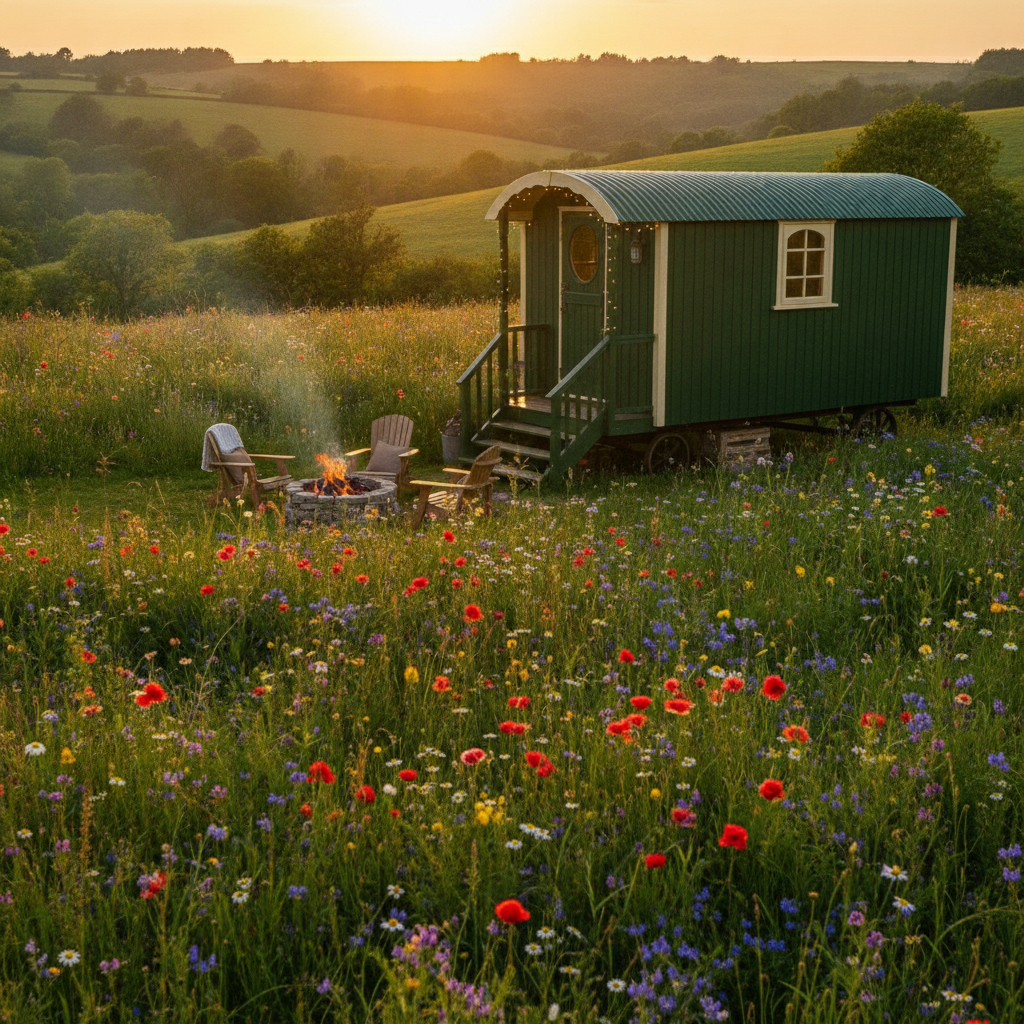
If you've ever fancied sleeping under the stars without sacrificing a decent mattress or a hot shower, unique glamping stays might be exactly what you've been looking for. Glamping has grown massively across the UK over the past decade, and honestly, the options today are extraordinary. We're talking hand-painted shepherd huts tucked into rolling hills, elevated treehouses with wood-burning stoves, and canvas safari tents big enough to fit a proper dining table inside.
This isn't just camping with a fancy label. It's a genuinely different kind of holiday, one that suits families, couples, and solo adventurers alike. And the UK has some of the best spots in the world for it.
What Makes Glamping Different From Regular Camping?
The short answer is comfort. But that doesn't quite capture it.
Traditional camping asks you to bring your own kit, sleep on the ground (or close to it), and cook on a temperamental gas stove in the rain. Glamping flips that completely. Your accommodation is already there when you arrive, usually kitted out with proper beds, lighting, and often a private outdoor space with a fire pit. Some sites even include a fully equipped kitchen or wood-fired hot tub.
The connection to nature is still very much part of the experience. You'll wake up to birdsong, fall asleep to the wind in the trees, and spend evenings around a real fire. It's just that you'll be doing it from a rather more comfortable position.
Who's Glamping For?
Almost everyone, genuinely. Families with young children love glamping because there's no tent to wrestle with and no inflatable mattress that slowly deflates at 2am. Couples find it romantic in a way that pitching up in a muddy field rarely is. And retirees who've decided that sleeping bags are firmly in the past but still want the outdoors experience? Glamping is made for them.
The Most Popular Types of Unique Glamping Stays in the UK
One of the genuinely exciting things about glamping right now is how varied the accommodation options have become. Here's a look at the most popular types and what to expect from each.
Shepherd Huts
These are perhaps the most quintessentially British glamping option. Shepherd huts are small, beautifully crafted wooden or metal wagons mounted on wheels, originally used by shepherds to stay close to their flocks during lambing season. Today, they've been lovingly restored and fitted out with all the essentials.
Expect to find a wood-burning stove, a proper double bed (often built into the far end with handy storage beneath), and sometimes a compact bathroom fitted right inside the hut. They're usually set in private spots within farm fields, orchards, or woodland edges. Costwolds shepherd huts are particularly sought after, but you'll find excellent examples in Herefordshire, Somerset, and the Scottish Borders too.
Shepherd huts sleep two people comfortably, which makes them ideal for a romantic break. Some sites now offer larger shepherd hut complexes with a separate hut for children alongside the main one.
Safari Tents and Bell Tents
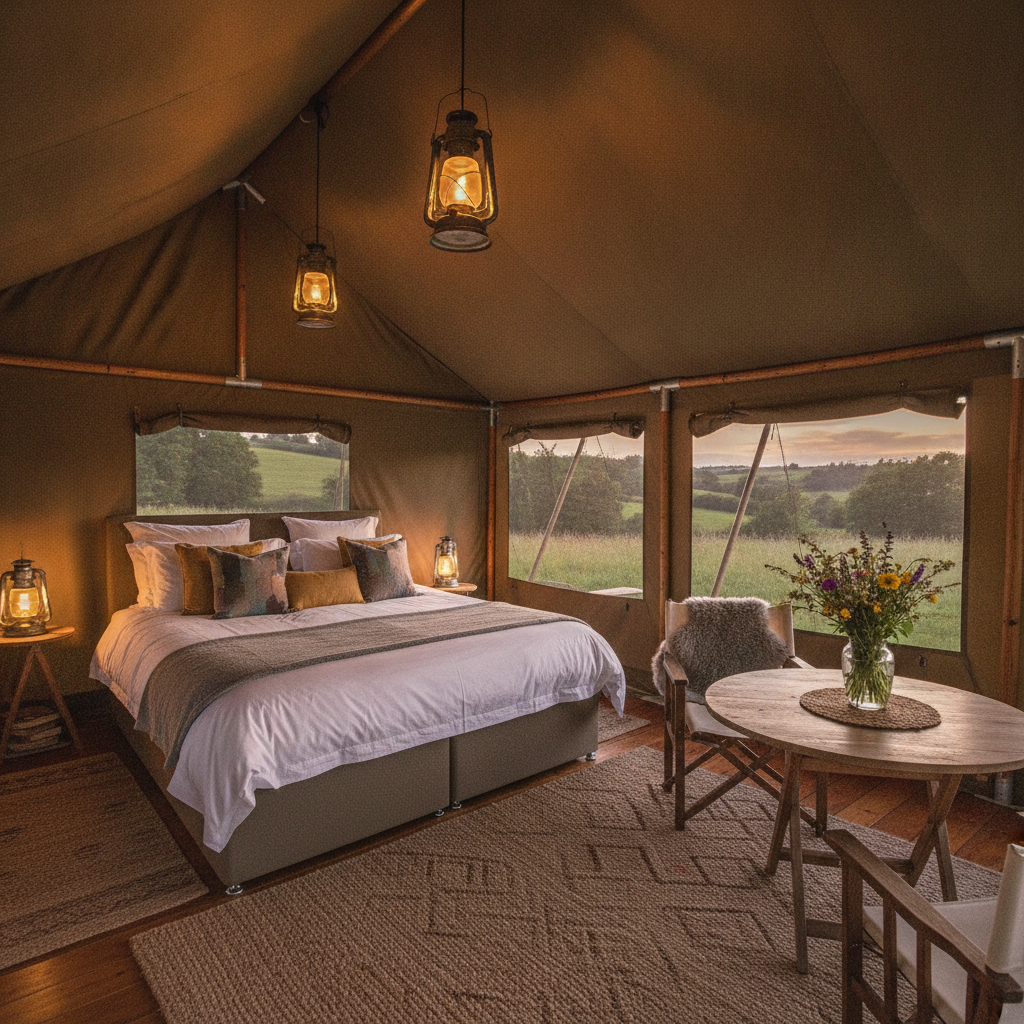
Safari tents are the family-friendly powerhouse of the glamping world. These large canvas structures are loosely inspired by the kind of accommodation you'd find on an African game reserve, but adapted beautifully for the Great British outdoors.
Inside, you'll typically find multiple beds, rugs on the floor, lanterns, and a raised deck or veranda outside. The canvas walls mean you still hear everything around you, which is half the fun. Kids particularly love them. Bell tents are the smaller, circular cousin of the safari tent and work brilliantly for couples or small families looking for a simpler but still very comfortable option.
Sites like Feather Down Farm, which has locations across England and Wales, have built their entire business around the safari tent model. Their tents are genuinely impressive, with proper farm experiences included for families.
Treehouses
Sleeping up in the trees is one of those things that sounds magical and, when done well, absolutely is. UK treehouses range from basic platforms with a canvas roof to fully insulated, multi-room structures with underfloor heating and panoramic windows.
The best treehouses in the UK are proper architectural achievements. Treehouse Utopia in Powys, Wales, for example, sits high in the forest canopy with a hot tub on the deck and views across the surrounding hills. In Scotland, you'll find treehouse stays near Loch Lomond and in the Cairngorms that feel genuinely remote but still have all the comforts you'd want.
Treehouses tend to book up months in advance, so if this is on your list, plan early. They're particularly popular around school holidays and autumn weekends when the canopy turns golden.
Yurts and Geodesic Domes
Mongolian-inspired yurts have been part of the UK glamping scene for years now, and they remain a firm favourite. A well-appointed yurt is a genuinely beautiful space, with a central skylight that lets you watch the stars from your bed, thick canvas walls that hold warmth surprisingly well, and hand-painted wooden furniture.
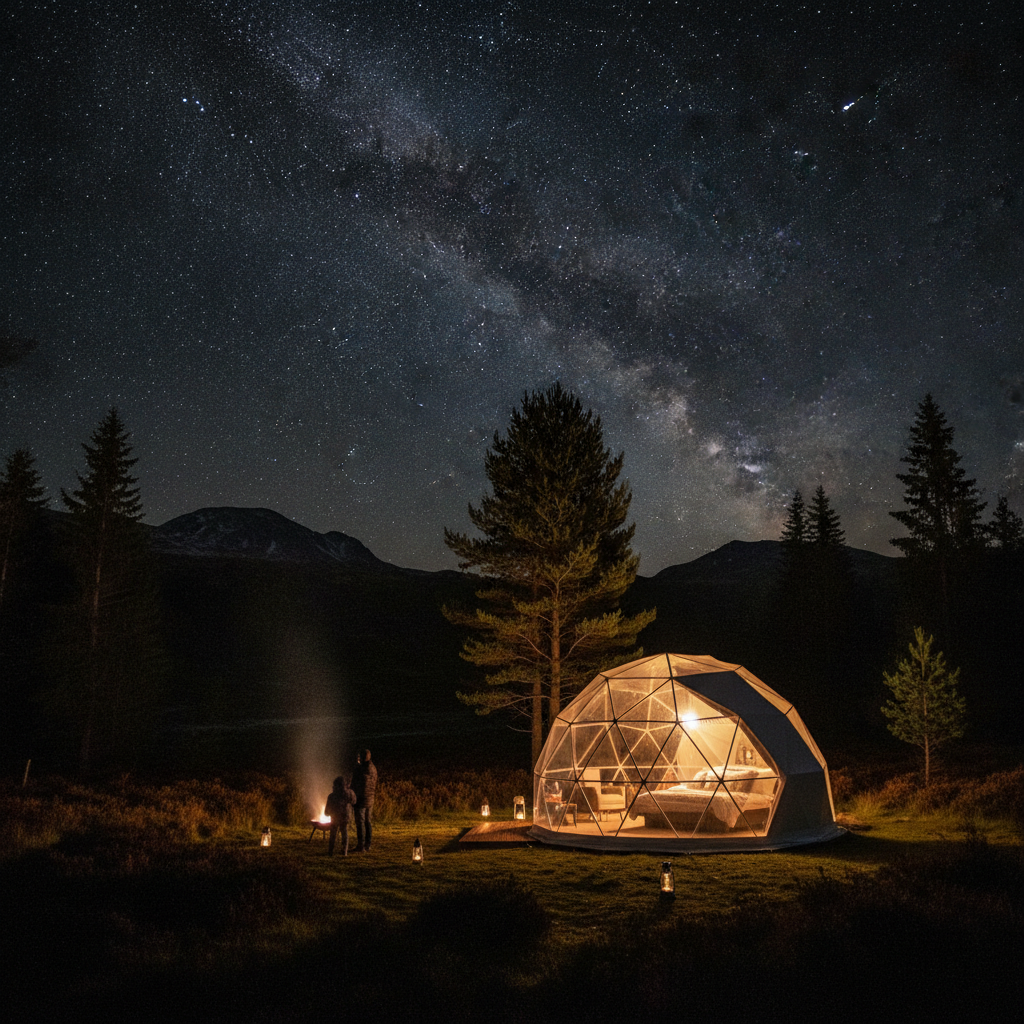
Geodesic domes are newer to the scene but gaining fast. These spherical structures made from interconnecting triangles are surprisingly spacious inside and often have a transparent or semi-transparent panel in the roof. Stargazing from bed. Yes, really.
Where to Find the Best Unique Glamping Stays in the UK
Every region of the UK has something good to offer, but a few areas have particularly strong reputations for glamping.
The Cotswolds and Herefordshire
Rolling hills, farm tracks, and ancient stone walls make this part of England feel like it was designed for a shepherd hut or two. Sites here tend to be small and exclusive, often set on working farms where you can collect eggs in the morning or watch the sheep being brought in at dusk. Prices reflect the desirability, but many visitors say it's worth every penny.
Cornwall and Devon
The southwest is a glamping hotspot for good reason. Close proximity to stunning coastline, reliable (if not guaranteed) summer sunshine, and a strong independent food and drink scene make it a brilliant base. Glamping in Cornwall often means bell tents or safari tents within walking distance of the Coastal Path. Some sites even have private beach access.
Wales
Wales has invested heavily in glamping infrastructure and it shows. The Brecon Beacons, the Gower Peninsula, Pembrokeshire, and Snowdonia all have excellent options. Treehouses and yurts are particularly well represented here, often positioned to make the most of dramatic mountain or coastal views. And the Dark Sky status in several Welsh regions makes stargazing from a geodesic dome here a genuinely special experience.
The Scottish Highlands
For proper remoteness, Scotland is hard to beat. Glamping in the Highlands often means smaller sites with a real sense of wilderness around them. Expect red deer wandering past at dawn and midges at dusk (pack the repellent). The payoff is extraordinary scenery and a level of peace and quiet that's hard to find anywhere else in the UK.
Practical Tips for Booking a Glamping Stay
Glamping is significantly more popular than it was five years ago, and that means the good sites fill up quickly. Here's what to keep in mind before you book.
Book early for peak dates. Easter, late July, August, and October half-term are the busiest periods. If you're set on a specific type of accommodation or location, you'll sometimes need to book three to six months ahead.
Check what's included very carefully. Some glamping sites are fully catered experiences with communal dining. Others are entirely self-catering. Most are somewhere in the middle. Read the listing details before assuming the fire pit comes with wood, or that bed linen is provided.
Think about the season. Shepherd huts with good wood burners can be genuinely cosy in late autumn or early spring. Safari tents are better suited to the summer months when rain is less of a daily concern. Treehouses and domes with proper heating can work year-round.
Ask about minimum stays. Many glamping sites have a two or three-night minimum, particularly at weekends. If you're only after a single night, midweek breaks are usually easier to book and often come with a discount.
Look for off-pitch extras. Some of the best glamping experiences come with optional add-ons: a cheese board and bottle of wine waiting in the fridge on arrival, a hot tub pre-heated for your first evening, or a guided foraging walk included in the price. It's worth asking.
What to Bring on a Glamping Holiday
You don't need to lug half your house along, but it's worth thinking ahead.
Most glamping sites provide bedding and towels, but always confirm this before you pack. Bring layers regardless of the time of year; British evenings can be cool even in August. A decent pair of wellies is almost always a good idea. And if you're travelling with children, bring a torch each because paths between your accommodation and shared facilities can be unlit.
A small cool box for drinks is useful even on sites with a fridge in the accommodation, especially if you're planning beach days or walks. And something to do in the evening when the fire's lit and the kids are in bed. A good book, a card game, a podcast downloaded in advance. The point of glamping is partly to slow down.
How Glamping Compares to a Holiday Park or Caravan Stay
It's a fair question. Holiday parks and caravan sites offer great value, excellent facilities, and often more in the way of organised entertainment, particularly for families with younger children. If that's what you need, they're brilliant. You can browse caravan parks and holiday park listings at Campercation to compare options across the UK.
But glamping offers something different. It's quieter, more private, and often set in more rural or scenic spots. There's rarely a swimming pool or an on-site restaurant. Instead, the draw is the accommodation itself and the landscape around it. Many people who try glamping once become very loyal converts.
Some larger holiday parks have started to integrate glamping pods or luxury lodges into their existing sites, which gives you a middle ground: the unique stay experience with the amenities of a bigger site nearby. Worth looking out for if you're travelling with a mixed group.
Ready to Find Your Perfect Glamping Stay?
The UK's glamping scene has never been more exciting or more varied. A shepherd hut in the Cotswolds, a treehouse in Snowdonia, a domed safari tent on the Cornish coast — these aren't pipe dreams. They're all bookable right now, and many are available for less than you might think.
The best way to start is to browse listings by region and accommodation type, then check availability for your dates. Head over to Campercation.com to explore unique glamping stays across the UK, with options for every budget, group size, and time of year. Your next adventure is a lot closer than you think.