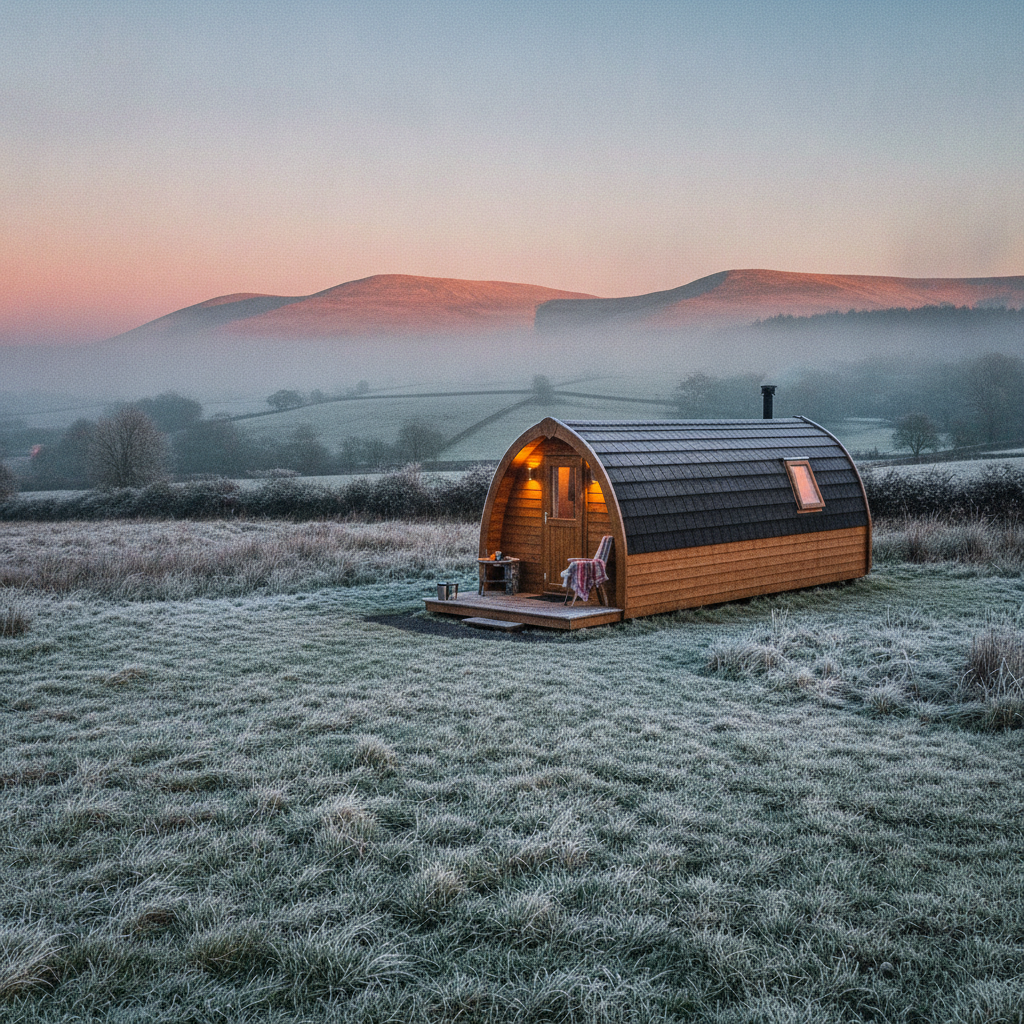
Winter camping in the UK gets a bad reputation, but honestly, it doesn't deserve it. Yes, the nights are long. Yes, it can be cold. But there's something genuinely magical about waking up inside a warm caravan or motorhome while frost settles on the field outside, coffee in hand, zero crowds anywhere in sight. Winter camping UK is one of the most underrated ways to experience the countryside, and more people are discovering it every year.
This guide covers everything you need to know, whether you're planning a festive getaway in December, a half-term escape in February, or just fancying a quiet long weekend away from it all when the rest of the world has packed up their tents.
Why More People Are Trying Winter Camping UK
The numbers don't lie. The UK camping and caravanning industry has reported year-round bookings growing steadily since 2020, with off-peak stays becoming a proper trend rather than a niche quirk. People have realised that holiday parks don't hibernate, and neither should they.
The appeal is pretty straightforward. Prices drop significantly outside peak season. You'll often pay 30 to 50 percent less for the same pitch or lodge you'd struggle to book in August. Add in near-empty facilities, no queues for the showers, and a genuine sense of peace, and it starts to make a lot of sense.
And the scenery. A frost-dusted woodland in the Cotswolds, or the Lake District draped in low winter light — it's a completely different experience to the busy summer version. Quieter. More raw. Honestly, more beautiful in its own way.
Choosing the Right Set-Up for a Winter Break
Not all camping is equal in winter, and this is really where your choice of accommodation matters.
Caravans and Motorhomes
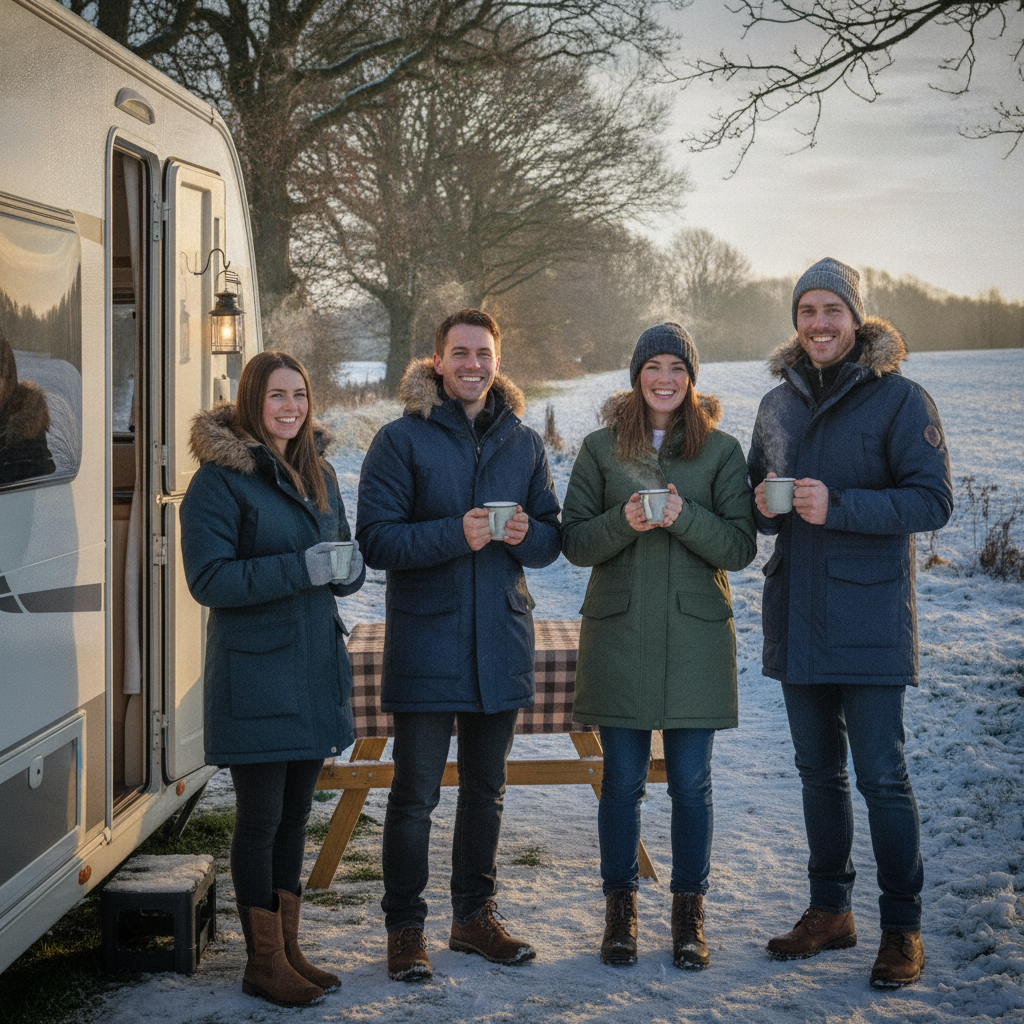
If you already own a caravan or motorhome, you're well placed for winter touring. Modern units come with proper insulation, central heating, and double-glazed windows. The key is making sure your gas bottles are full and your water system is protected against freezing. Keeping the underside of pipes insulated with foam lagging is a simple fix that prevents a lot of problems.
Check that your holiday park is open and has hook-up points available. Many parks operate year-round for tourers, but it's always worth ringing ahead rather than assuming. A hot electric hook-up makes a huge difference on a January night.
Glamping Pods and Lodges
Glamping in winter is genuinely brilliant. A solid timber pod with underfloor heating, a wood burner, and a proper duvet is frankly more comfortable than most hotels, and the outdoor experience is all around you the moment you step outside. Many UK glamping sites actually lean into the winter season, offering Christmas wreath-making workshops, mulled wine evenings, and guided stargazing sessions.
Log cabin-style lodges at larger holiday parks are another great option. Plenty of the big parks keep their lodges open year-round, and a winter lodge stay feels genuinely cosy in a way that summer just can't replicate.
Tents in Winter — Yes, Really
It's not for everyone. But hardened campers who use four-season tents and quality sleeping bags rated to minus 10 degrees can have an incredible time. You need the right kit, the right mindset, and probably the right campsite that's protected from wind. It's adventurous. And it's deeply satisfying when it works out.
The Best Times for Winter Camping Breaks in the UK
Winter doesn't mean December to February and nothing else. There's a whole range of opportunities scattered across the cooler months, each with its own character.
Half-Term in October
The October half-term is arguably the sweet spot. Weather is still manageable, autumn colours are absolutely stunning, and most holiday parks and campsites are still fully open. It's busy compared to January, but nothing like the summer rush. Book two to three weeks ahead rather than months, and you'll be fine.
Christmas and New Year
More holiday parks than ever are offering festive experiences. Santa visits, Christmas markets on site, fairy light-lit woodland trails. If you fancy a proper alternative Christmas, a festive lodge or glamping pod break is a genuinely exciting option, especially for families with young children who want the magic without the chaos of travelling to family.
February Half-Term
Cold, yes. Dark by five o'clock, yes. But February half-term breaks are cheap, and many parks put on indoor activities and heated facilities to keep younger guests happy. If you pick a site with a good indoor pool or soft play, the kids will be perfectly content regardless of what's happening outside.
Easter Camping
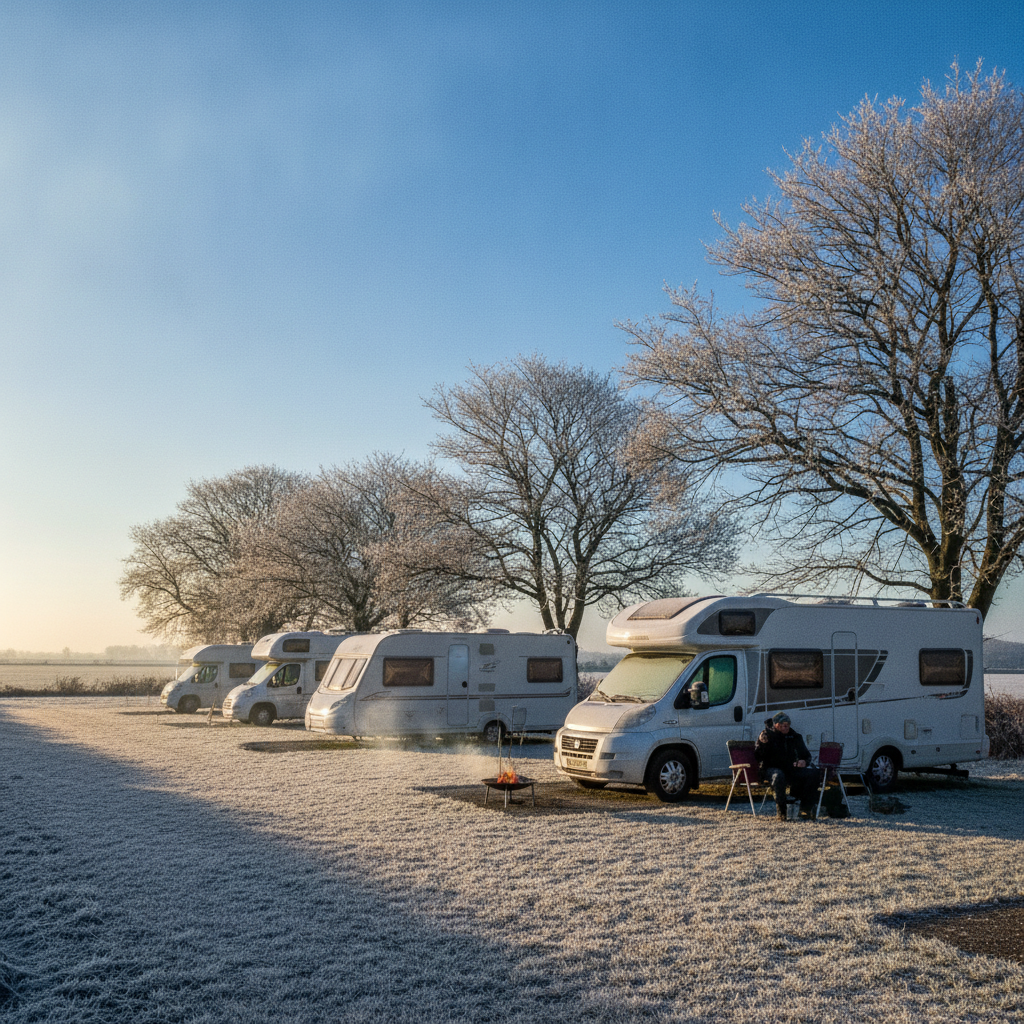
Easter is technically spring, but in the UK, you know perfectly well it can feel like winter. Snowfall on Easter weekend happens more often than we'd like. The good news is that Easter camping is among the most popular off-peak breaks, and the sites are buzzing with energy. Egg hunts, nature walks, campfire evenings. It's a brilliant time to go, just pack layers and don't leave the waterproof jacket at home.
Winter Camping Tips That Actually Make a Difference
Here's the practical stuff. The things that separate a genuinely enjoyable winter trip from a cold, miserable one.
Layer Up Properly
The base layer is doing the real work. A good merino wool base layer — top and bottom — keeps you warm even when damp, which is crucial in the UK's damp climate. Mid-layers add insulation, and a decent waterproof outer shell handles rain and wind. Kids need the same system. Don't rely on a single thick hoodie.
Manage Condensation Inside Your Unit
Condensation is the enemy of comfortable winter caravanning. Cooking, breathing, drying wet gear — it all puts moisture into the air. Keep a small dehumidifier running if you have electric hook-up, open a roof vent slightly to allow airflow, and dry wet clothes in a designated spot rather than draped over every surface. A few small habits make a significant difference to how comfortable your van feels.
Get Outside Every Day
It sounds obvious, but cold weather can tempt you into staying inside all day. Don't. Even a 45-minute walk changes the feel of the whole trip. Winter walks through places like the Brecon Beacons, the North York Moors, or Dartmoor on a clear day are genuinely breathtaking. Pack a flask of something hot. Make it part of the routine.
Book Pitches Near Facilities
In summer you might prefer a secluded pitch at the far end of the site. In winter, a pitch close to the shower block and the main facilities building is far more practical, especially if you're with young children or anyone who doesn't fancy a long walk in the dark at 7am.
Check the Site's Winter Policy Before You Go
Some parks reduce services in winter. The café might only open on weekends. The pool might be closed entirely. Knowing this in advance means you can plan accordingly rather than arriving disappointed. A quick phone call or a look at the park's website usually tells you everything you need to know.
Great UK Regions for Winter Camping
Every region has something different to offer once the crowds have thinned out.
The Lake District is extraordinary in winter. Lower visitor numbers mean you can actually walk on the popular trails without feeling like you're in a queue. The mountains take on a dramatic quality in winter light that photographers and walkers both love. Pick a pitch near Windermere or Coniston and you're well placed for everything.
The Scottish Highlands are genuinely wild in winter. If you're in a well-equipped motorhome or a solid lodge, the experience of driving through snow-dusted glens is something you simply don't get in July. Inverness is a good base, and sites along the north coast 500 route offer some of the most spectacular views in the country.
The Norfolk Broads are surprisingly compelling in winter. The crowds disappear completely, the marshes take on an almost cinematic atmosphere, and a cosy lodge or heated glamping pod in the middle of it all is a deeply restorative experience. Seal-watching at Blakeney Point is one of the great UK wildlife experiences, and winter is actually the best time for it.
The Cotswolds in winter are picture-postcard stuff. Frost-covered villages, open log fires in local pubs, rolling hills that look like they've been painted. A caravan or glamping pod near Bourton-on-the-Water or Burford puts you right in the heart of it.
What to Look for When Booking a Winter Holiday Park
Not all holiday parks are built for winter. Here's what separates a good winter site from one that's just barely open.
Look for full electric hook-ups on every pitch, heated shower and toilet facilities, and ideally an indoor space for families to gather in the evenings. A site with a pub, restaurant, or even a decent café on site is a significant bonus when it's dark and raining outside.
Hardstanding pitches matter a lot in wet weather. Grass pitches can become waterlogged and muddy quickly in November through February, and there's nothing fun about trying to manoeuvre a caravan off a saturated field. Gravel or concrete hard-standings keep things practical.
And do read the reviews from previous winter guests specifically. A site that's a five-star experience in August can feel completely different when it's running at 20 percent capacity in January. Look for reviews mentioning the facilities being clean and operational, staff being helpful, and the site feeling well-maintained out of season.
Ready to start planning your winter break? Browse winter-available holiday parks and campsites across the UK at campercation.com. You can filter by region, accommodation type, and facilities to find the perfect spot for your cold-weather getaway.
Final Thoughts on Winter Camping in the UK
Winter camping in the UK isn't about enduring the cold. It's about embracing a completely different pace. Fewer people, better prices, more dramatic landscapes, and an atmosphere that summer simply can't offer.
With the right set-up, a little planning, and a decent flask of tea, winter breaks at UK holiday parks and campsites are among the most rewarding holidays you'll take. Give it a chance. You might just find it becomes your new favourite season to travel.
Find your perfect winter pitch at campercation.com and start planning today.