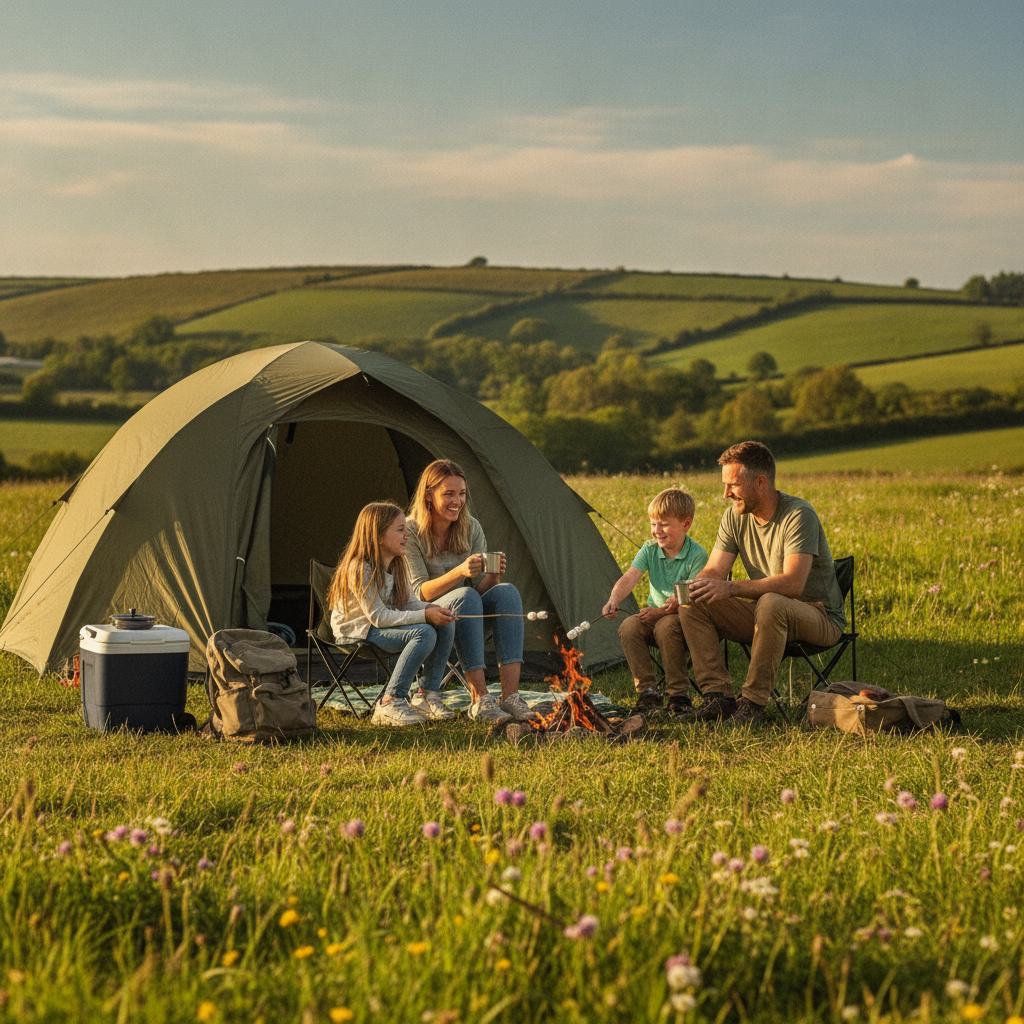
Budget camping in the UK is one of the best-kept secrets in British travel. For a fraction of what you'd spend on a package holiday, you can wake up to birdsong in the Lake District, sip your morning tea beside a Cornish stream, or let the kids run wild on a farm site in Wales. The trick is knowing how to plan it properly so you're not caught out by hidden costs or rookie mistakes that eat into your savings.
This guide is for anyone who wants to get outside without draining their bank account. Whether you're packing a tent for the first time or you've got a weathered caravan that's seen better days, there's plenty here to help you spend less and enjoy more.
Why Budget Camping in the UK Is Genuinely Brilliant
A family of four can book a week at a UK campsite for anywhere between £80 and £250, depending on the site and the time of year. Compare that to a week in a Spanish resort and the maths speaks for itself. And you're not compromising on quality either.
The UK has thousands of incredible campsites, from National Trust-managed spots in the Peak District to tiny farm fields in the Scottish Borders with nothing but sheep for neighbours. Some of the most beautiful spots in the country cost less than £20 a night. That's not a typo.
The freedom is another thing entirely. You're not tied to meal times, kids' clubs you didn't ask for, or hotel check-out rules. You set the pace. And honestly? Kids tend to have a better time with a stick and a muddy field than any all-inclusive resort.
Cutting Costs Before You Even Leave Home
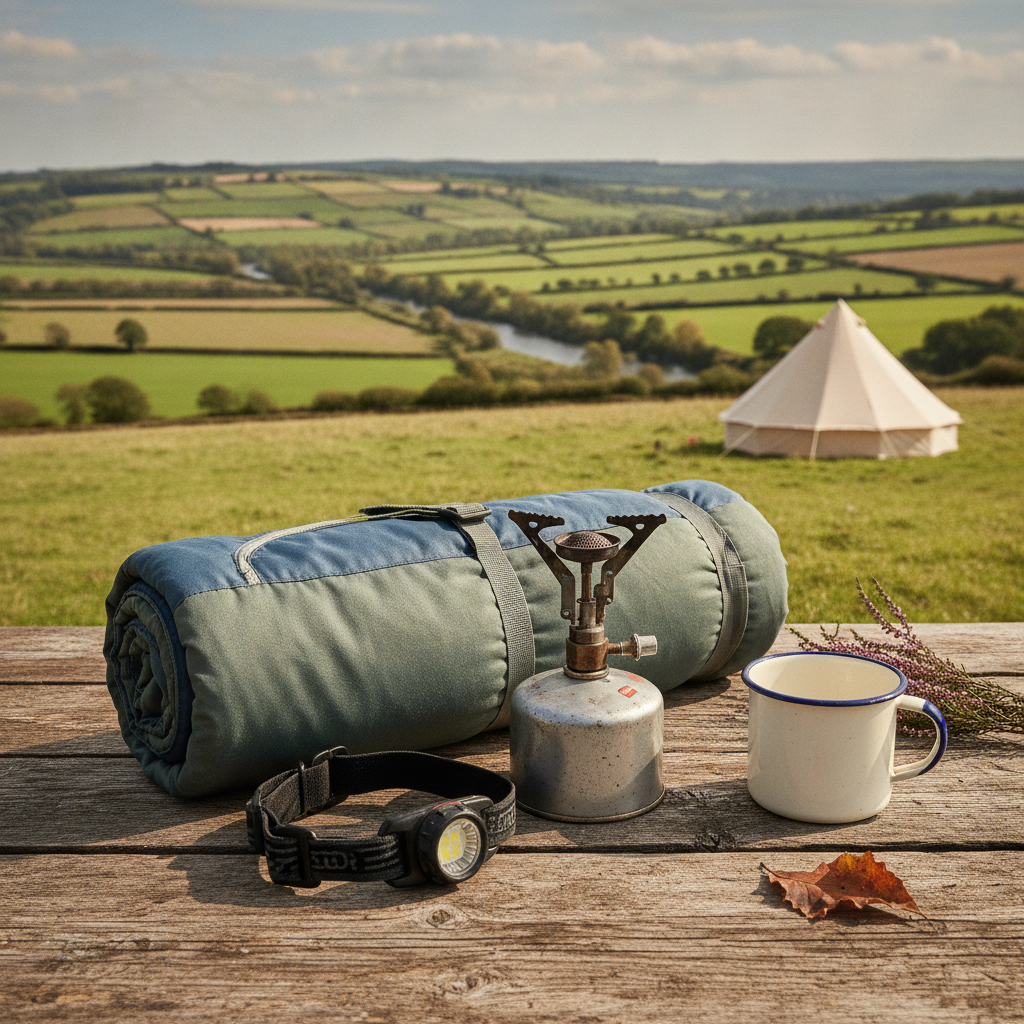
The single biggest mistake new campers make is spending a fortune on gear before they've even tested whether they like camping. Don't do it. Borrow a tent from a friend, check Facebook Marketplace for second-hand sleeping bags, and raid your kitchen cupboards before buying anything dedicated.
Borrowing and Buying Second-Hand
Camping gear holds up well second-hand. A decent used sleeping bag from a charity shop or eBay can cost £5 to £15 and do the job perfectly for a first trip. The same goes for camping stoves, cool boxes, and groundsheets. Once you've done a couple of trips and know what you actually need, then it's worth investing in your own kit.
Gumtree and Facebook Marketplace are goldmines for this. People upgrade their gear constantly and practically give the old stuff away. A full family tent that retailed at £200 might go for £40 if someone's just bought a new one.
Timing Your Trip to Save Money
Peak season at UK campsites runs from late July through August. Prices can double or even triple during school holidays. If you can shift your trip to late May, June, or early September, you'll often pay half the price for the same pitch. The weather's also less crowded and frequently just as good.
Many sites offer midweek rates too. A Sunday to Thursday stay can be significantly cheaper than a Friday to Monday booking, even in the same month. It's always worth ringing ahead and asking.
Book Early or Book Late
This sounds contradictory, but both strategies work. Booking several months in advance locks in the best prices before demand pushes them up. But if you're flexible, leaving it until the week before can also pay off. Sites that haven't filled their pitches would rather have you at a reduced rate than an empty field.
Choosing the Right Budget Campsite
Not all cheap campsites are created equal. A £10-a-night pitch at a well-run farm site can be an absolute gem. A £10-a-night pitch at a poorly maintained site can make for a miserable weekend. Knowing what to look for makes all the difference.
What to Look for in a Budget Site
Clean toilets and showers are non-negotiable for most people, especially with kids. Check reviews on Google or Pitchup before booking. Look for mentions of facilities being well-maintained, friendly wardens, and how the site handles wet weather. A waterlogged field with one broken shower block is nobody's idea of a bargain.
The Camping and Caravanning Club and the Caravan and Motorhome Club both run certificated locations across the UK. These are small, often farm-based sites with just a handful of pitches. They're frequently stunning and very affordable, sometimes under £15 a night for a couple.
Camping Pods and Budget Glamping
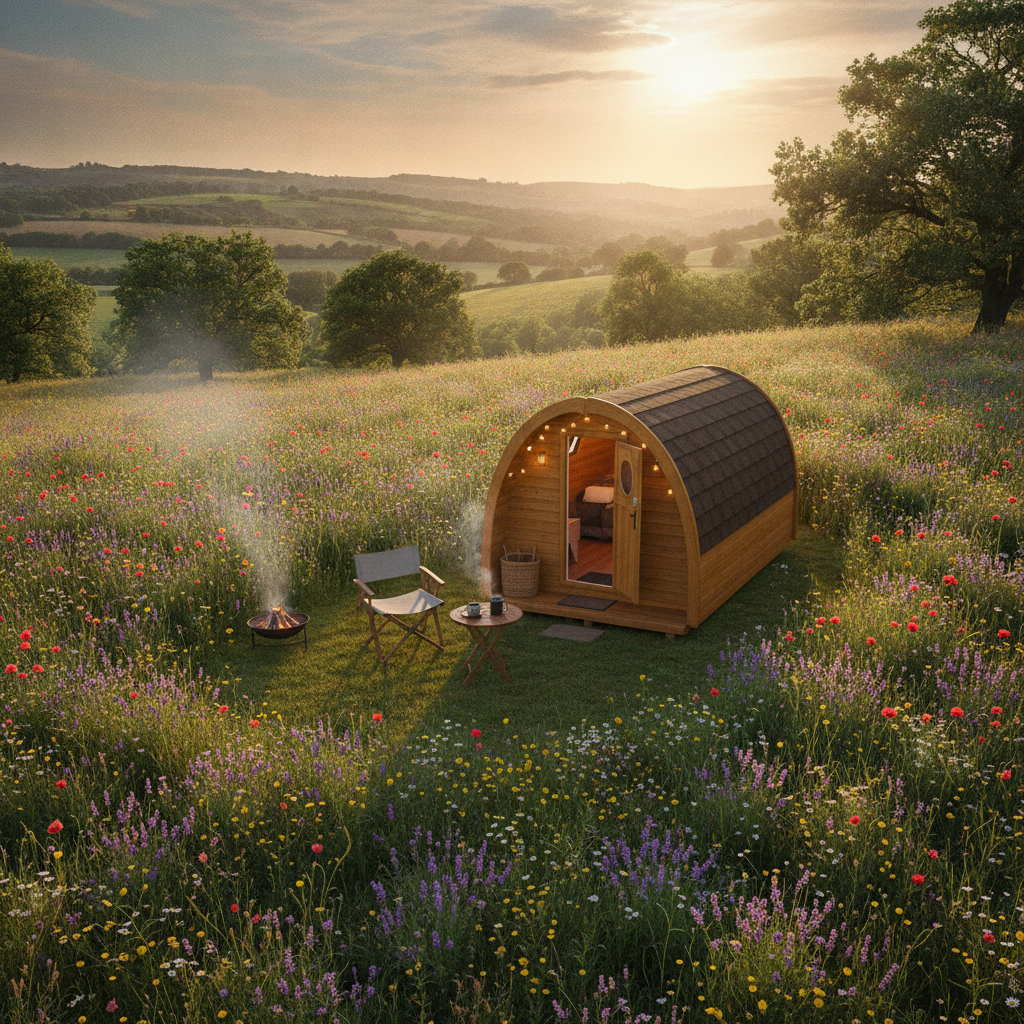
If you're not keen on a tent but still want to keep costs down, camping pods are worth a look. A basic wooden pod at a campsite typically costs £30 to £60 a night, sleeps two to four people, and keeps you dry without any setup stress. It's a genuine middle ground between a tent and a hotel room.
Search campercation.com for pod-friendly sites near your preferred UK destination and you'll find plenty of options that won't break the budget.
Eating Well on a Camping Budget
Food is where many camping trips start costing more than they should. A camp shop bag of crisps at inflated prices, a few takeaways because you're tired, and a couple of pub meals for the sake of convenience can easily push your food budget way beyond what you'd spend at home.
Plan Your Meals Before You Go
Meal planning is the most effective way to control food costs on a camping trip. Write out exactly what you're cooking each day before you leave, then do one big supermarket shop and stick to it. You'll avoid the panicked camp shop visit and the "let's just get a pizza" conversation at 7pm.
Simple meals work best. Pasta with a jar of sauce, sausages over the fire, tinned soups, wraps with whatever's in the cool box. None of it needs to be fancy. And camp cooking often tastes better anyway, something to do with the fresh air and the fact that someone else didn't have to do the washing up at home.
Get Smart with Your Cool Box
A decent cool box keeps food fresh for longer and reduces waste. Pack it strategically: frozen items at the bottom to act as ice packs, fresh produce on top. Freeze water bottles the night before you leave and use them as ice. They're free, they don't make everything soggy, and you get cold water to drink as they melt. Genuinely one of the best camping tips there is.
Buying local produce at farm shops or market stalls near your campsite is another way to eat well cheaply. You'll often find fresh eggs, bread, and veg for less than supermarket prices, and it's far better quality.
Free and Low-Cost Activities Near UK Campsites
Here's the beautiful thing about camping in the UK: the best stuff is mostly free. The countryside itself is the entertainment. But it helps to know what's available before you arrive so you're not wandering around trying to find things to do.
Making the Most of the Outdoors
Wild swimming spots, forest walks, beach days, cycling trails, castle ruins you can clamber around for free. The UK is absolutely full of it. The OS Maps app gives you access to detailed Ordnance Survey maps on your phone and costs around £4 a month, which more than pays for itself on one trip.
National Trust properties are worth mentioning here. Adult membership costs around £80 a year for an individual or £138 for a couple, but if you're going to visit three or four properties over a camping season, it pays for itself quickly. Many campsites sit right next to National Trust land too, which means free access to some exceptional walking and nature.
Budget-Friendly Days Out from Camp
Most UK regions have at least one free museum or gallery within easy driving distance. Manchester, Birmingham, Bristol, and Edinburgh all have excellent free cultural attractions. If you're camping in the countryside, local village fetes, farmers' markets, and car boot sales are brilliant for a cheap morning out with kids.
Plan one big paid-for activity per trip if you want to, something like a zip wire day or a theme park visit, and balance it with free days on either side. That way the kids get a treat and your wallet doesn't take too much of a hit.
Saving Money on Transport and Getting There
Fuel costs are real, especially if you're driving a loaded family car or towing a caravan. A few small adjustments can make a noticeable difference to what you spend getting to and from your site.
Choosing a campsite within two hours of home cuts fuel costs significantly. The UK is small enough that you can reach genuinely beautiful countryside from almost anywhere without a long motorway slog. Pick somewhere closer and you'll spend less, arrive less stressed, and have more time on site.
If you're travelling by motorhome, pre-planning your route to avoid motorway service stations for fuel is worth the effort. They typically charge 10 to 15p per litre more than a supermarket forecourt. Fill up at a supermarket before you leave and stop at one en route if needed.
Making Your Camping Budget Go Further: Final Tips
A few last-minute ideas that add up over the course of a trip. Bring your own firewood from home rather than buying it at the site shop, where it's usually overpriced. Pack a reusable water filter bottle instead of buying bottled water. Bring a board game or a pack of cards rather than relying on a campsite with paid-for entertainment.
And don't overlook the loyalty schemes that most camping clubs run. The Camping and Caravanning Club, for instance, charges around £52 for annual membership but gives you access to discounted pitches across hundreds of sites. If you camp more than three or four times a year, the savings stack up fast.
Budget camping isn't about suffering through a holiday. It's about being clever with your money so you can do it more often. A weekend at a local farm site in April is better than one week in a resort every two years. That's the mindset shift that turns casual campers into people who can't wait for the next trip.
Ready to find your perfect budget campsite? Browse the full range of UK campsites, caravan parks, and glamping options at campercation.com and start planning a holiday that won't cost the earth.