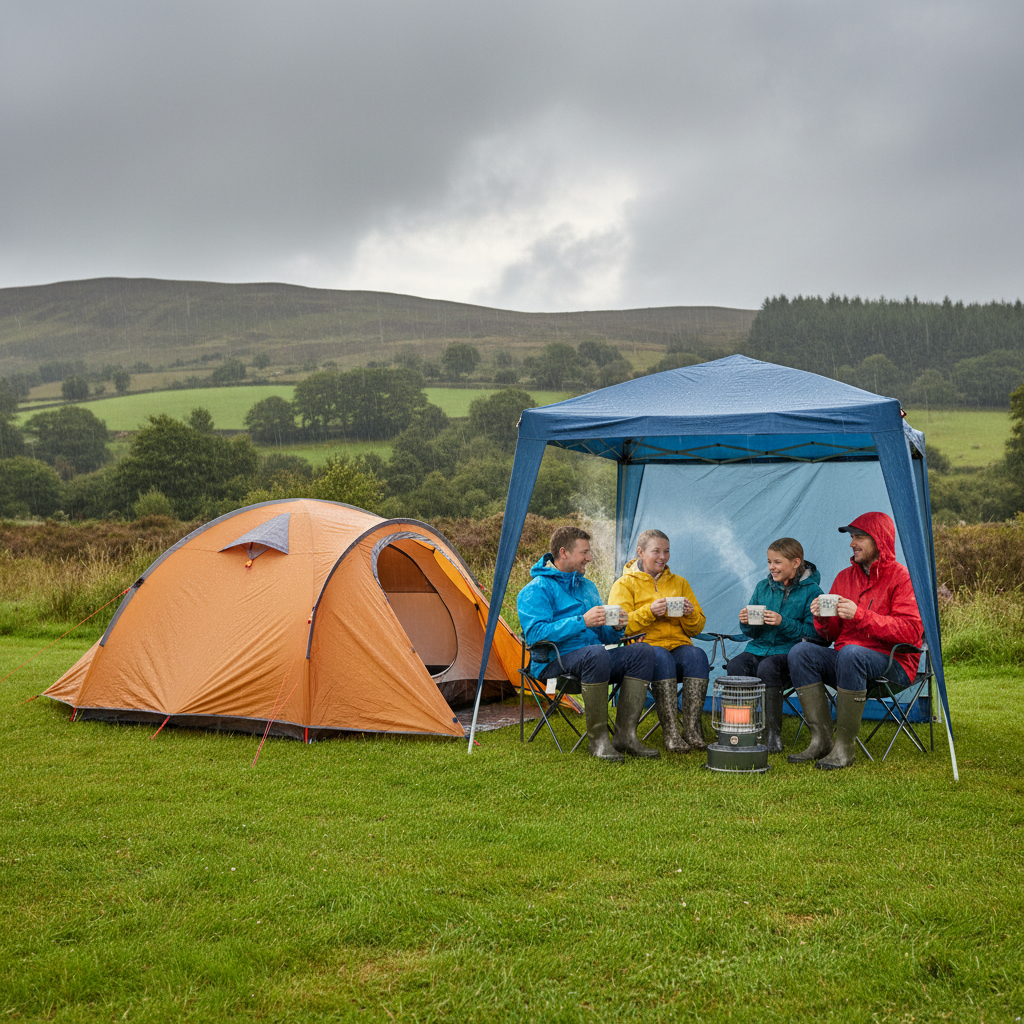
Camping in the rain gets a bad reputation. But ask any seasoned camper and they'll tell you that a bit of British drizzle doesn't have to ruin your trip. In fact, some of the best camping holidays in the UK happen when the weather is anything but perfect. The secret is knowing how to prepare, how to stay comfortable, and how to actually enjoy yourself even when the skies open up.
The UK's weather is famously unpredictable. You can book a sunny July weekend in the Lake District and end up huddled under a gazebo watching the rain bounce off the field. It happens. But with the right kit and a bit of know-how, a rainy camping trip can still be brilliant.
This guide is here to help. Whether you're a first-timer nervously eyeing the forecast or a caravan park regular who wants to feel more confident in wet conditions, there's something useful here for everyone.
Why Camping in the Rain Doesn't Have to Be a Disaster
Here's the truth: most people who have a miserable wet camping experience weren't underprepared because of the rain. They were underprepared full stop. The rain just exposed it.
A tent that leaks, sleeping bags that aren't insulated, muddy boots left inside the porch — these are the things that make people swear off camping forever. None of them have much to do with the rain itself.
The good news is that every single one of those problems is fixable. And once you've sorted them out, wet weather camping becomes something you almost look forward to. There's something genuinely cosy about being tucked up in a warm, dry tent while the rain patters on the flysheet outside.
The Mindset Shift That Changes Everything
Stop treating rain as the enemy. It's just weather. The UK gets roughly 1,200mm of rainfall a year in wetter regions like Wales and the Scottish Highlands, so if you only camp when it's sunny, you're going to be sitting at home a lot.
Kids, in particular, often love rainy camping. Jumping in puddles, splashing through muddy fields, running between shelters — it becomes an adventure rather than a problem. Lean into it and the whole family tends to follow.
Camping in the Rain: Getting Your Shelter Right
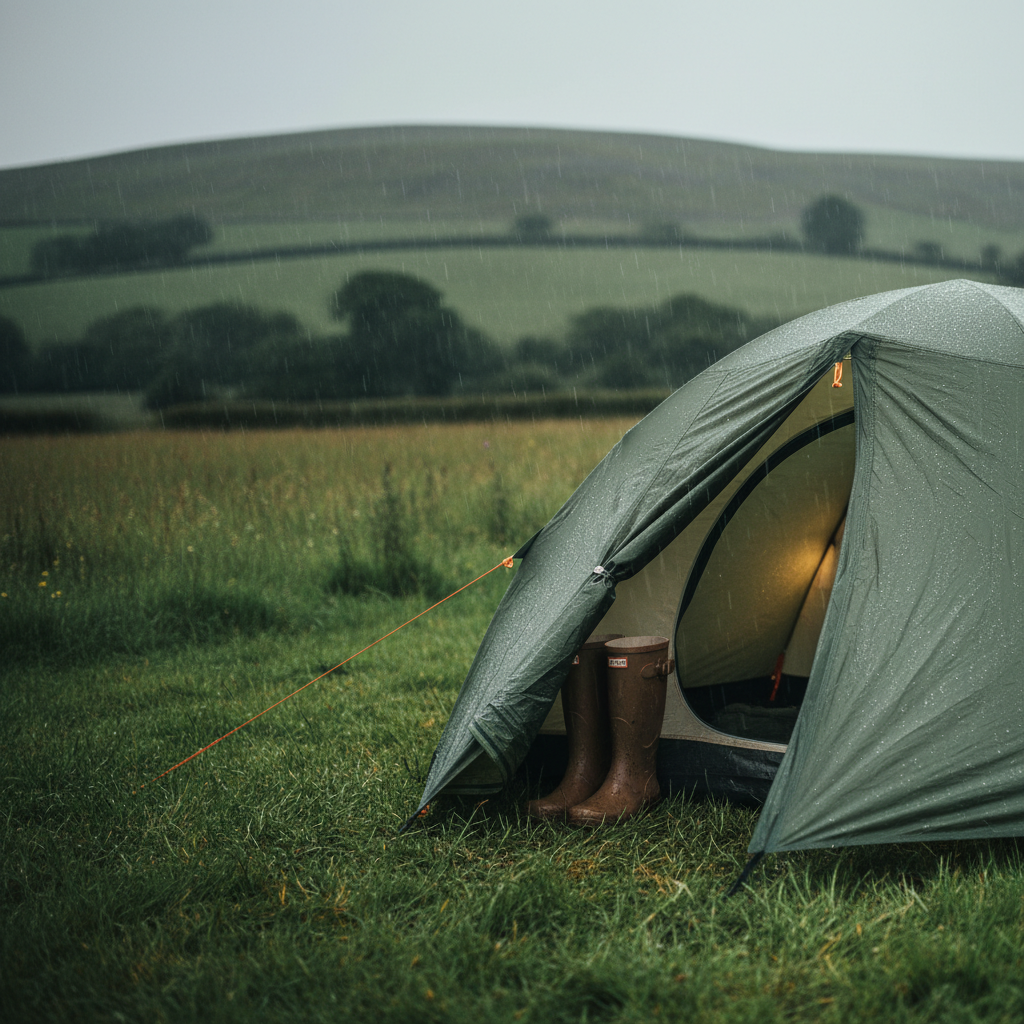
Your tent is your most important piece of kit when the weather turns. And not all tents are created equal. A tent rated to 1,500mm hydrostatic head might be fine for a light shower, but in heavy rain it'll start to let water through the seams pretty quickly.
For proper UK conditions, look for a hydrostatic head rating of at least 3,000mm, ideally 5,000mm or more. Brands like Vango, Outwell, and Robens make tents specifically designed for British weather, and they're worth the investment.
Seam Sealing and Tent Footprints
Even a good tent benefits from seam sealing before a trip. It takes about 20 minutes and a tube of seam sealer, and it can make a huge difference. Run it along every seam on the inner tent and the joins on the groundsheet.
A tent footprint (a groundsheet cut to fit under your tent) stops moisture wicking up from below. It also protects the tent floor from punctures on rougher ground. Don't skip this. It's one of those small things that pays for itself after one soggy night.
Pitching Position Matters More Than You Think
Before you pitch, spend five minutes looking at the ground. Avoid any slight hollow or dip — water flows downhill and collects in low spots. Even a gentle slope can send water pooling under your tent by 3am.
Pitch with the door away from the prevailing wind. In the UK, that's usually facing east or southeast. This keeps driving rain from hitting the entrance directly, which makes the whole coming-and-going much less soggy.
Staying Dry: Clothing, Layers, and the Importance of Wool
Cotton is the enemy. It gets wet, stays wet, and makes you cold. Ditch the cotton hoodies and jeans and think in layers instead.
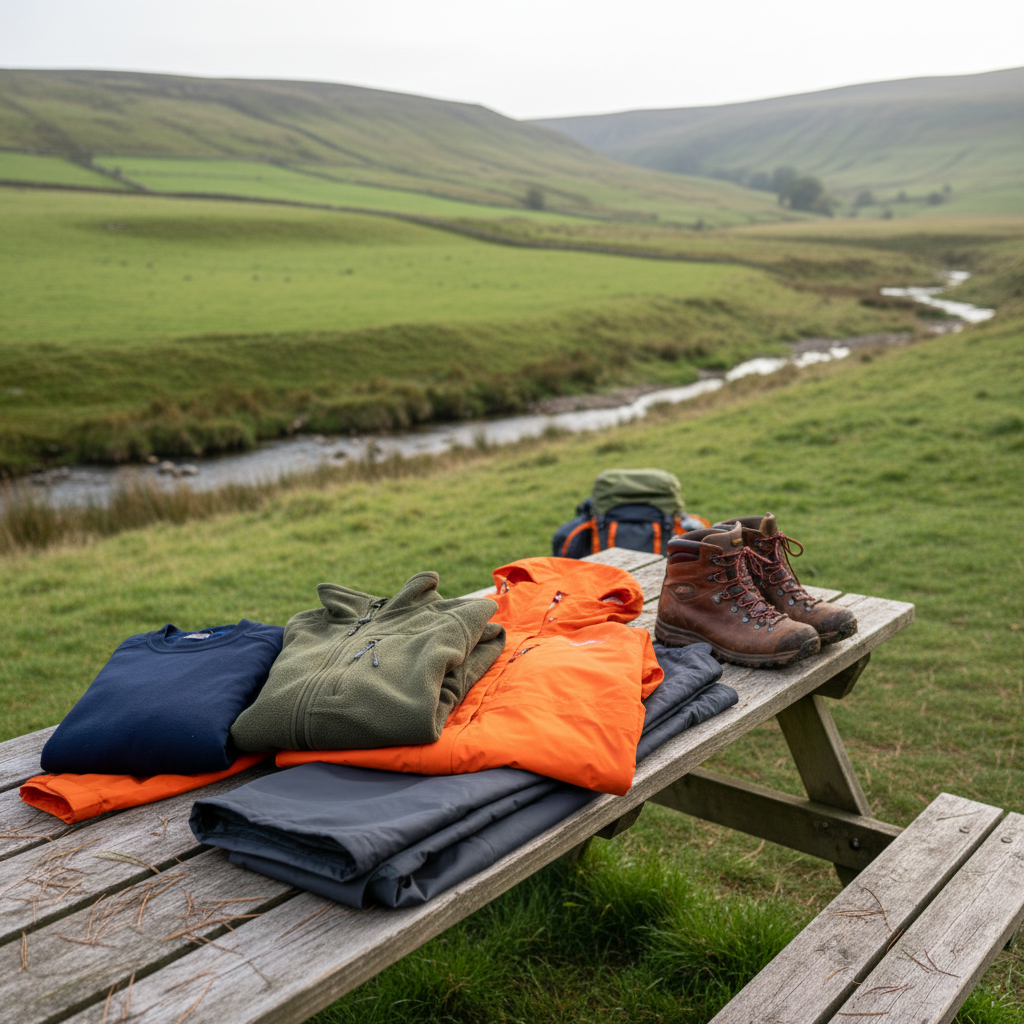
A merino wool base layer is worth every penny. It regulates temperature, resists odour, and crucially, it keeps you warm even when damp. Mid-layers should be fleece or a synthetic insulator. And your outer layer needs to be genuinely waterproof, not just water-resistant.
Footwear for Wet Conditions
This is where most people go wrong. Trainers are hopeless in wet grass and mud. Bring a pair of wellies for the campsite — they're your best friend when you're popping to the shower block at 7am in a downpour.
For hiking in the rain, waterproof walking boots with a decent grip are essential. Brands like Merrell, Salomon, and Brasher all make solid options. Keep them by the tent porch, never inside, and you'll avoid dragging mud and wet through your sleeping area.
Campsite Choices for Bad Weather: What to Look For
Not all campsites are equal when the rain arrives. Some turn into muddy swamps. Others drain beautifully and stay perfectly usable even after two days of heavy rain. Knowing what to look for before you book makes a real difference.
Look for sites with hard-standing pitches if you're bringing a caravan or motorhome. These are gravel or tarmac pitches that don't turn to mud, and they're increasingly common on well-equipped holiday parks across the UK. Many sites also offer camping pods, glamping cabins, or bell tents with proper floors, which are ideal if you want the outdoor experience without the soggy groundsheet.
Reading Reviews the Right Way
When you're researching campsites on Campercation, filter for sites that mention drainage, facilities quality, and shelter in their reviews. Reviews written in autumn or spring are particularly useful because they'll often mention how the site handles wet conditions.
Sites that stay open year-round are usually better prepared for rain than summer-only parks. They've invested in the right ground, the right facilities, and staff who know how to keep guests comfortable whatever the weather. Browse the full range of UK holiday parks and caravan sites at campercation.com to find sites that suit your needs.
The Value of a Good Communal Space
A covered cooking area, a proper shower and toilet block, or even a small bar and restaurant on-site can save a rainy camping weekend. Having somewhere dry to retreat to for an hour — especially with kids — takes the pressure off the tent completely.
Some of the best campsites in Wales and the South West have invested heavily in covered communal spaces specifically because they know what the weather can throw at you. It's worth paying a bit more per night for a site with decent facilities.
Practical Camp Kitchen Tips for Wet Weather
Cooking outside in the rain is genuinely one of the trickiest parts of wet weather camping. A small gazebo or tarp rigged over your cooking area solves most of the problem. You can pick up a decent 3x3m gazebo for under £60, and it keeps the whole cooking setup dry.
Keep your cooking equipment simple when the weather's bad. A two-burner gas stove, a decent pot, and a pan cover everything you need. Anything that requires a lot of prep, multiple utensils, or a long cook time is going to feel like hard work in the rain.
Meals That Work in Any Weather
One-pot meals are your best friend. Chilli, pasta, soup, curry — they're all simple, warming, and easy to manage with wet hands. Pre-cook anything you can at home and just reheat it on-site. It's not cheating. It's sensible.
And pack a flask. Hot drinks on a cold, wet afternoon in Snowdonia or the Yorkshire Dales are genuinely life-changing. A good quality 1-litre flask keeps drinks hot for six hours easily.
Keeping Kids and the Family Happy When It Won't Stop Raining
The moment children get bored and wet at the same time, a camping trip can fall apart fast. Having a plan for rainy days is just as important as having good kit.
Pack a few indoor games that don't take up much space. A pack of cards, a travel board game, a small puzzle. These things weigh almost nothing and become gold when you're stuck in the tent for an afternoon.
Local Attractions and Rainy Day Escapes
Research local attractions before you go. Most popular camping regions in the UK — Cornwall, Pembrokeshire, the Peak District, the New Forest — have brilliant rainy day options within 20 or 30 minutes. Soft play centres, local museums, aquariums, farm parks, and indoor climbing walls all fit the bill perfectly.
A rainy morning at a local farm park followed by a dry afternoon back at the site can actually be a better day than a sunny one spent aimlessly wandering. Having a plan B (and even a plan C) means you're never stuck.
Embrace the Puddles
Kids in wellies and waterproofs can go out in almost any rain. A good set of waterproof trousers changes everything for small children. Let them get muddy. Let them stomp in every puddle they find. You'll hear more genuine laughter than you would on any sunny beach day.
Just make sure you've got somewhere dry and warm to bring them back to, with a change of clothes ready. That's the bit that actually matters.
A Quick Rainy Day Camping Kit List
Here's what makes the biggest difference when the forecast isn't looking great:
- Tent with a hydrostatic head rating of 3,000mm minimum
- Seam sealer and tent footprint
- Merino wool base layers for everyone
- Proper waterproof jackets and waterproof trousers
- Wellies for each member of the family
- A small gazebo or tarp for cooking shelter
- Quality sleeping bags with a temperature rating to spare
- A good sleeping mat (ground cold travels up faster than you expect)
- A 1-litre insulated flask
- Indoor games and activities for the tent
- A list of local rainy day attractions
- Dry bags for phones, documents, and anything electrical
It's not an exhaustive list, but everything on it earns its place. Nothing here is luxury or unnecessary.
Final Thoughts: Don't Let the Forecast Put You Off
The UK's camping season runs from Easter right through to October, and in that window you're going to get some rain. That's just reality. But some of the most memorable camping trips happen in imperfect weather, with a bit of creativity, the right kit, and a willingness to adapt.
Cosy evenings in a warm tent, misty morning walks through empty countryside, hot soup after a soggy hike — these are the moments that stick with you. They don't happen on sunny, 25-degree days. They happen when the weather throws something at you and you handle it well.
Ready to find your next UK camping or holiday park adventure? Search hundreds of caravan parks, camping sites, glamping escapes, and motorhome-friendly locations at campercation.com. Whatever the forecast says, there's a perfect pitch waiting for you.