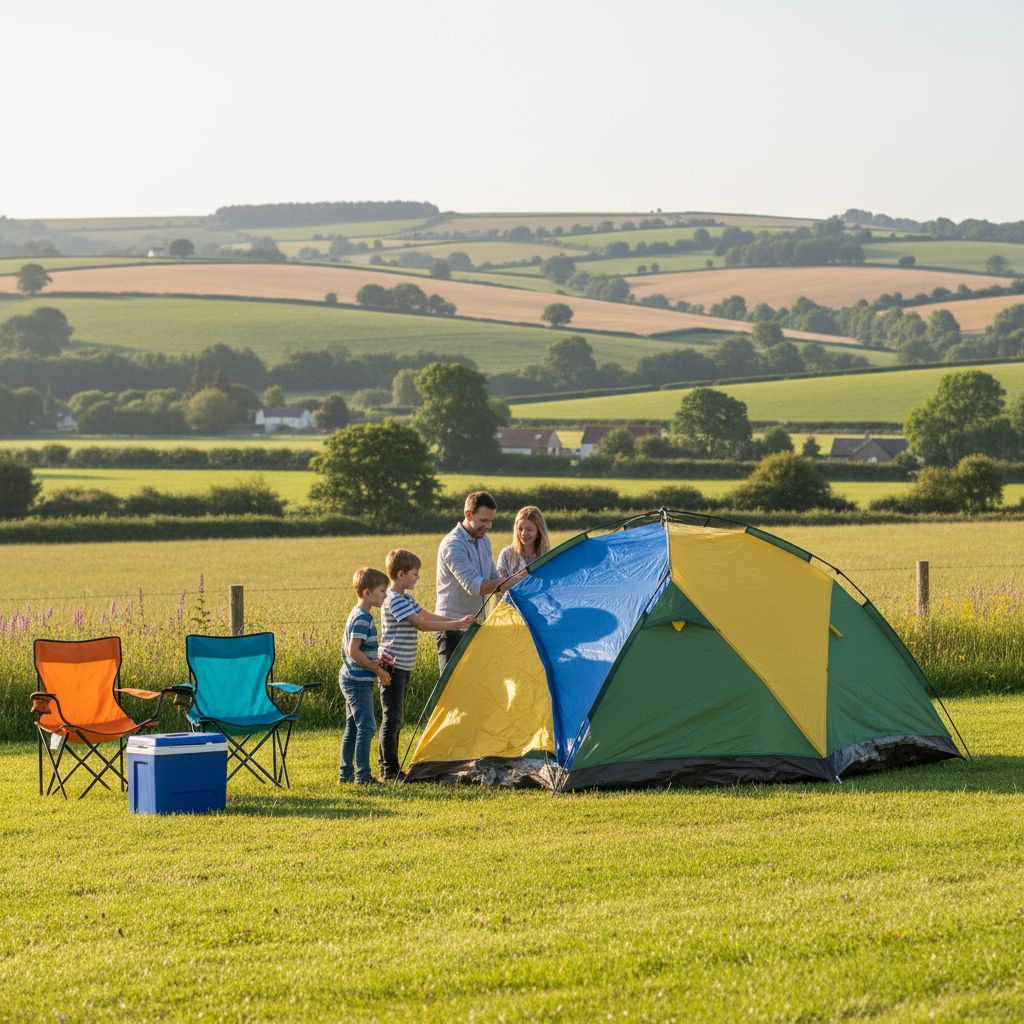
Planning your first camping trip can feel overwhelming. There's kit to buy, sites to choose, and a nagging worry that you'll forget something vital and end up cold, hungry, and regretting the whole thing by 10pm. But here's the truth: camping is far more forgiving than people think, and with a little preparation, it can be one of the best holidays you'll ever have. This guide to camping for beginners covers everything you need to know before you pitch that first tent.
Why Camping? The Honest Answer
People come to camping for all sorts of reasons. Some want to save money on holidays. Others are chasing that off-grid feeling you simply can't get in a hotel room. And plenty of parents discover that kids who spend all day staring at screens suddenly come alive in a field with a stick and some mud.
The UK is genuinely brilliant for camping. You've got the dramatic coastline of Cornwall, the wild hills of the Lake District, the sweeping valleys of Wales, and the rugged beauty of the Scottish Highlands, all with a network of well-run campsites making it accessible even for total newcomers.
Cost is a big factor too. A family of four can spend a week camping in the UK for a fraction of what a foreign package holiday would cost, especially if you've already got some basic kit.
Camping for Beginners: Choosing the Right Type of Camping
Before you buy a single piece of gear, you need to decide what kind of camping actually suits you. And there are more options than most people realise.
Traditional Tent Camping
This is what most people picture. A tent, a sleeping bag, a camping stove, and the great outdoors. It's the cheapest entry point and gives you the most flexibility about where you go. Modern tents are far more weather-resistant than the old canvas horrors your parents might have used in the 1980s.
Glamping
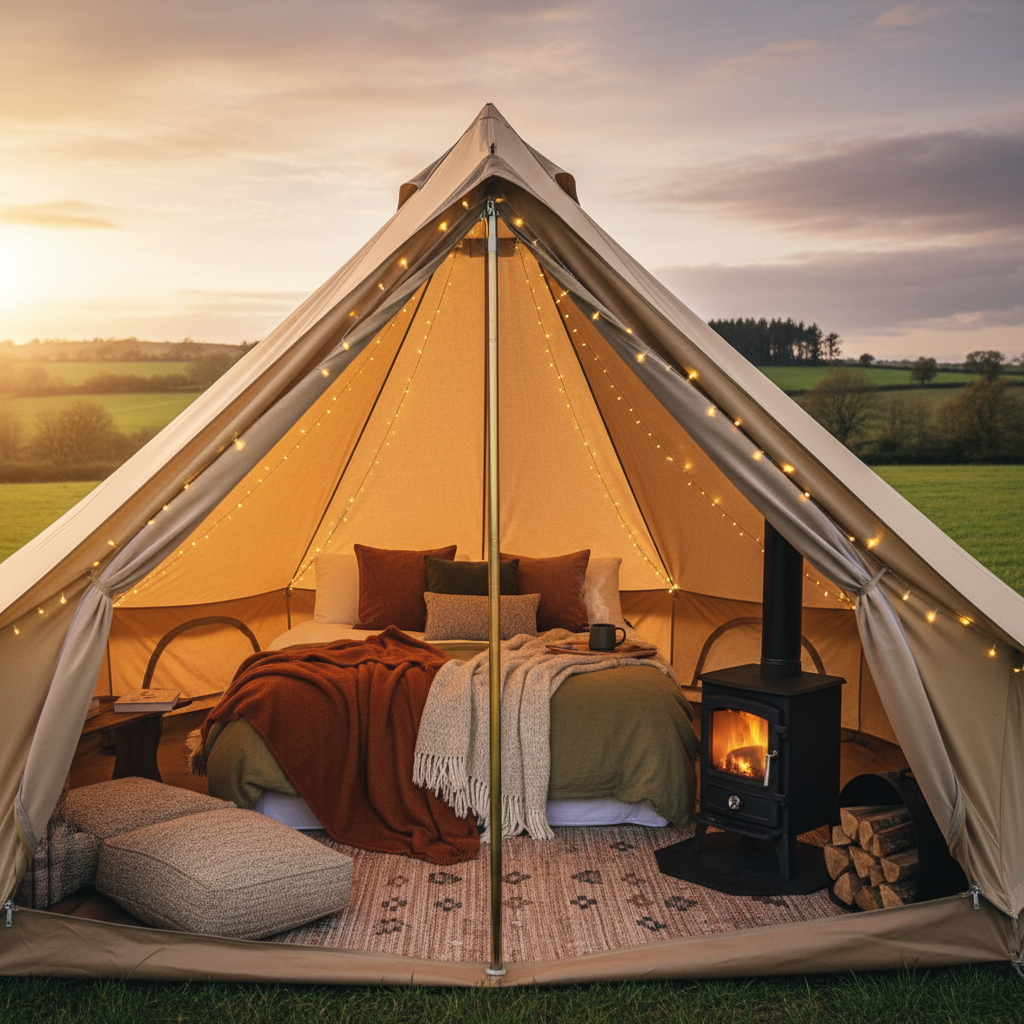
Glamping has exploded in popularity across the UK over the past decade. You're still sleeping outdoors, but in a bell tent, a shepherd's hut, a yurt, or even a treehouse. Bedding is usually provided, there's often a proper bed, and sometimes you'll get a wood-burning stove or a private hot tub. It's a brilliant option if you want the outdoor experience without committing to all the gear.
Sites like those listed on Campercation have a wide range of glamping options across the UK, from cosy shepherd's huts in the Yorkshire Dales to clifftop bell tents in Pembrokeshire.
Caravanning and Motorhome Holidays
If you're not sure tent camping is for you, a caravan or motorhome holiday gives you much more comfort. You've got a proper bed, a kitchen, and shelter that doesn't depend on a few tent poles and some guy ropes. Many families start with a hired motorhome to test the waters before investing in their own.
Caravan parks and holiday parks across the UK cater for all budgets, from no-frills pitches to sites with swimming pools, restaurants, and evening entertainment. Campercation lists hundreds of parks, so it's worth browsing to get a feel for what's out there.
What Kit Do You Actually Need?
This is where beginners often go wrong: either buying too much too soon, or skimping on the things that genuinely matter. Here's a sensible approach.
The Non-Negotiables
A decent tent is the single most important purchase. Don't buy the cheapest one on Amazon. For a couple, a two-man tent from a brand like Vango or Outwell will cost around £80 to £150 and will actually keep you dry. For a family of four, budget at least £150 to £250 for something reliable.
Sleeping bags rated to the right temperature matter more than people expect. A sleeping bag rated to 0°C is fine for most UK summer camping, but if you're heading out in spring or autumn, go lower. A cheap sleeping bag that leaves you shivering at 3am will ruin the whole trip.
Sleeping mats are often overlooked. The cold doesn't just come from above, it rises from the ground. A self-inflating mat or foam roll mat is essential, not optional.
The Cooking Setup
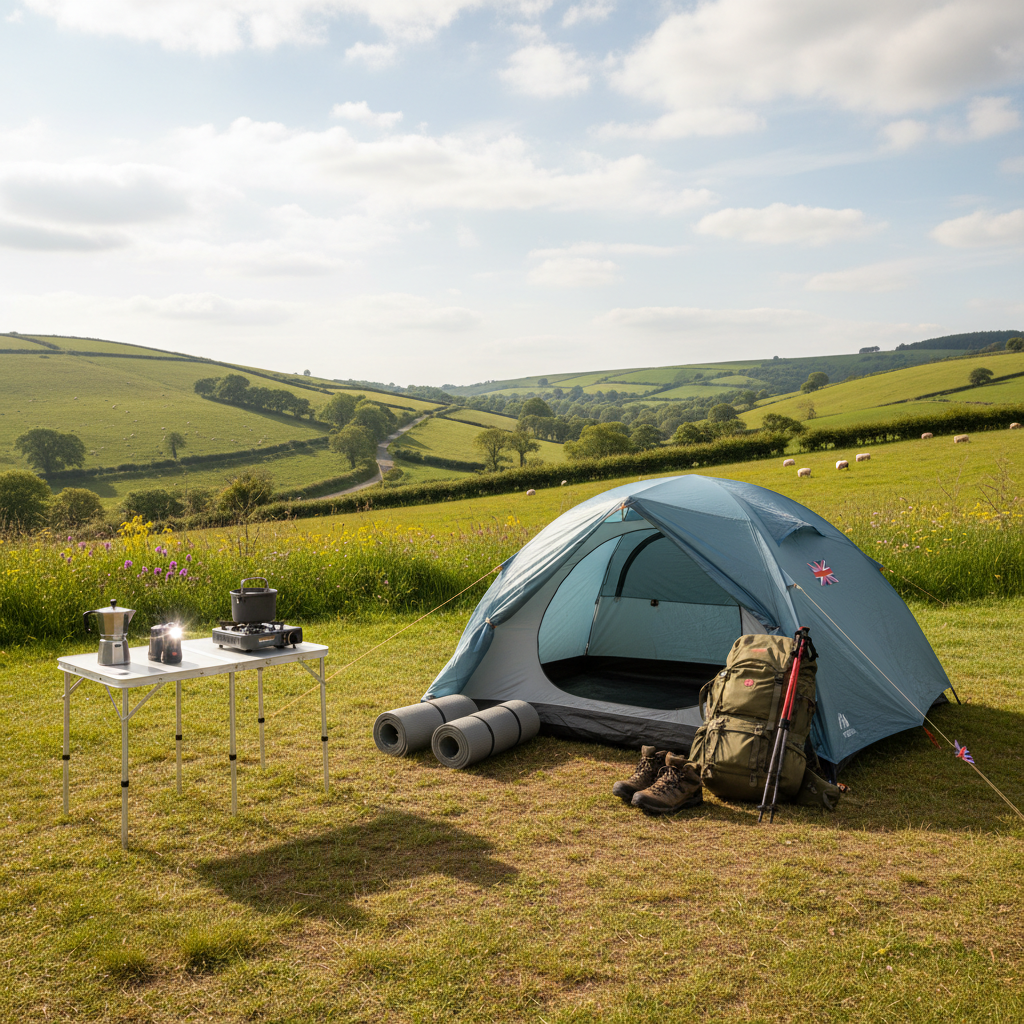
A simple two-burner camping stove and a gas canister will handle 90% of what you need. Boiling water for tea, cooking pasta, heating soup. Don't overthink it. A good pan set, a kettle, and a sharp knife will see you through most meals. And bring a lighter plus a backup.
Useful Extras That Most Beginners Forget
- A head torch (not just a phone torch, an actual head torch)
- A mallet for tent pegs, especially on hard or rocky ground
- A small first aid kit
- Bin bags, lots of them
- A camping chair and a small folding table
- Insect repellent and sunscreen
- A portable phone charger
- Wet wipes, more than you think you'll need
You don't need to buy everything at once. Start with the basics for your first trip and add kit as you learn what you actually use.
Picking Your First Campsite
For a first trip, choose a site with good facilities. Hot showers, clean toilets, and a site shop nearby will make things much easier while you're still finding your feet. Wild camping is brilliant once you've got experience, but it's not the place to start.
Look for sites with a warden or site manager on duty. If something goes wrong with your tent or you have questions, having someone to ask is genuinely reassuring. Many well-run sites also have electric hook-up pitches, which let you charge devices and run a small heater if nights get cold.
How to Read Campsite Reviews
Campsite reviews can be misleading if you don't know what to look for. One-star reviews about noisy neighbours or bad weather are often unfair to the site itself. Focus on what reviewers say about cleanliness, the helpfulness of staff, and the condition of facilities. Those things are within the site's control.
Campercation lists verified reviews alongside site details, so you can compare options easily. Search by region, facilities, and the type of camping you want, whether that's a quiet adults-only site or a family-friendly park with a playground and pool.
Planning Your First Night: What to Expect
Your first evening on a campsite will have a learning curve. Allow more time than you think to pitch the tent. Practice in the garden first if you can. Seriously. It's much less stressful than wrestling with poles in fading light while your kids run in circles.
Expect to feel a bit uncomfortable on the first night. That's normal. Most people sleep better on nights two and three once they've adjusted. The key is warmth: wear more layers than you think you need and keep a woolly hat by your sleeping bag.
Managing Kids on a Campsite
Kids generally love camping once they're there, but the lead-up can involve a lot of anxiety on your part. Give them a job. Let them help put up the tent, fetch water, or organise the food box. Ownership makes a huge difference. And pack a few familiar snacks from home so the first meal isn't a complete departure from the normal routine.
Most family-friendly sites have a quiet time after 10pm or 11pm. Be a good neighbour and respect it. You'll appreciate it yourself once your kids are asleep and you want five minutes of peace with a glass of wine.
Campsite Etiquette: The Unwritten Rules
Every hobby has its culture, and camping is no different. Most of it is just common sense.
Don't pitch too close to other tents if there's space available. People come camping for a bit of breathing room. Keep noise down after 10pm. If you've got a dog, keep it on a lead and clean up after it, always. And leave your pitch cleaner than you found it. That means taking all your litter home if the bins are full.
Campfires are a joy, but check the site rules before you light one. Many sites only allow them in designated fire pits. Never leave a fire unattended, and make sure it's fully out before you go to sleep. Use a bucket of water, not just sand.
Budget Tips for Beginners
Camping doesn't have to be expensive, but the initial kit costs can add up. Here's how to keep the costs down on your first few trips.
Borrow kit before you buy. Ask friends or family if they've got a tent or sleeping bags you can use for one trip. It's much better to discover you love camping with someone else's gear before spending £300 of your own money.
Buy second-hand where it makes sense. Sites like eBay and Facebook Marketplace are full of camping kit from people who went once and never went back. Tents, stoves, and chairs are all good second-hand buys. Sleeping bags are more personal, so buying new there is worth it.
Look for off-peak deals. Camping in May, June, or September is often significantly cheaper than the school summer holidays, and the weather is frequently just as good. Many sites offer midweek deals too, so it's worth checking directly rather than just booking on a third-party site.
Ready to Book Your First Trip?
There's genuinely no better way to learn than to just go. Your first trip won't be perfect. Something will get forgotten, the weather might not play ball, and you'll probably lie awake for part of the first night listening to unfamiliar sounds. But you'll also wake up to birdsong, cook breakfast in fresh air, and feel a quiet satisfaction that's hard to describe.
The UK has thousands of brilliant campsites, caravan parks, holiday parks, and glamping spots to suit every budget and every type of traveller. Browse the full listings at Campercation to find the right site for your first adventure. Filter by location, facilities, and accommodation type to find somewhere that feels right.
Go on. Your tent is waiting.