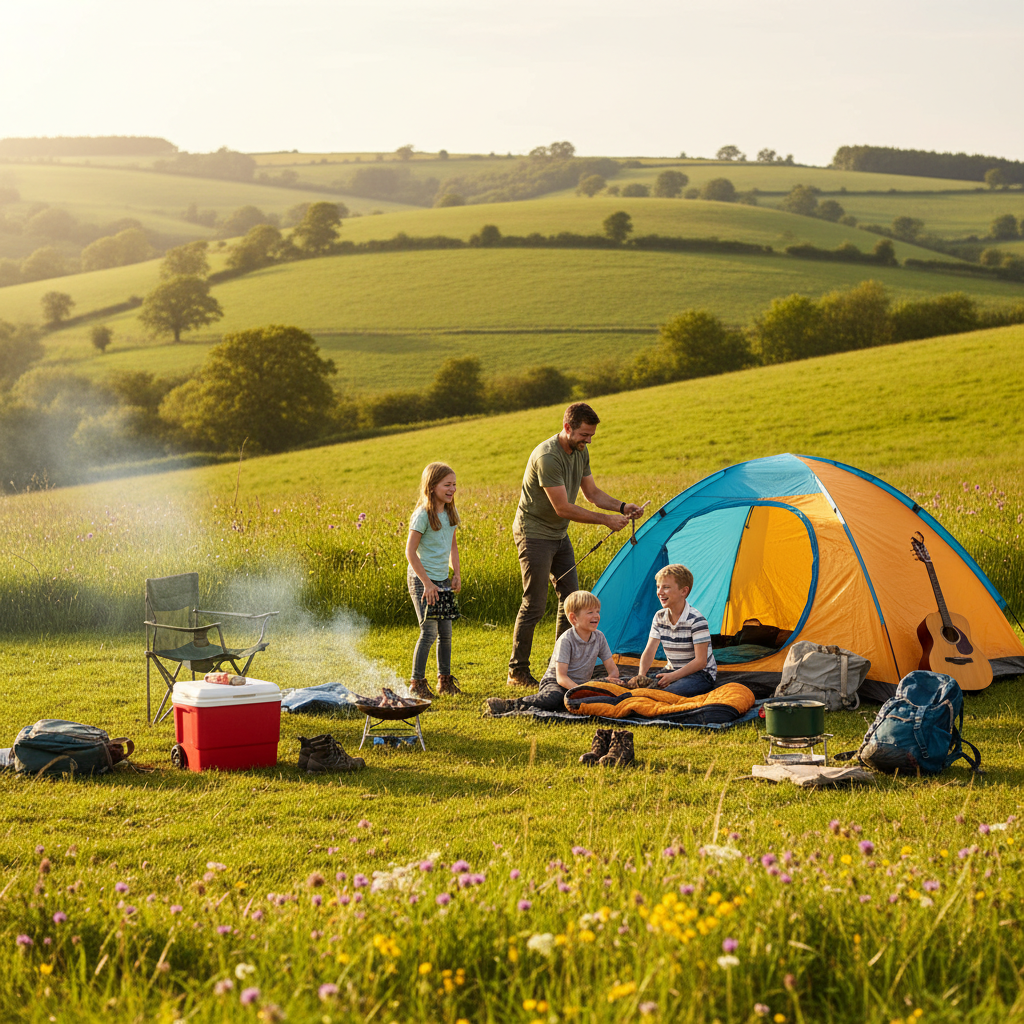
First time camping can feel a little overwhelming. There's a lot of kit to think about, plenty of decisions to make, and probably a small voice in the back of your head wondering whether you'll actually enjoy sleeping in a tent. The good news? Most people who give it a proper go absolutely love it. And with a bit of preparation, your first camping trip can be genuinely brilliant rather than a soggy disaster.
This guide covers everything you need to know before you pitch up for the first time, whether you're heading to a friendly holiday park in the Cotswolds, a seaside caravan site in Devon, or a basic campsite in the Lake District. We'll walk you through the kit, the planning, the food, and the things nobody tells you until you've already made the mistake.
Choosing the Right Site for First Time Camping
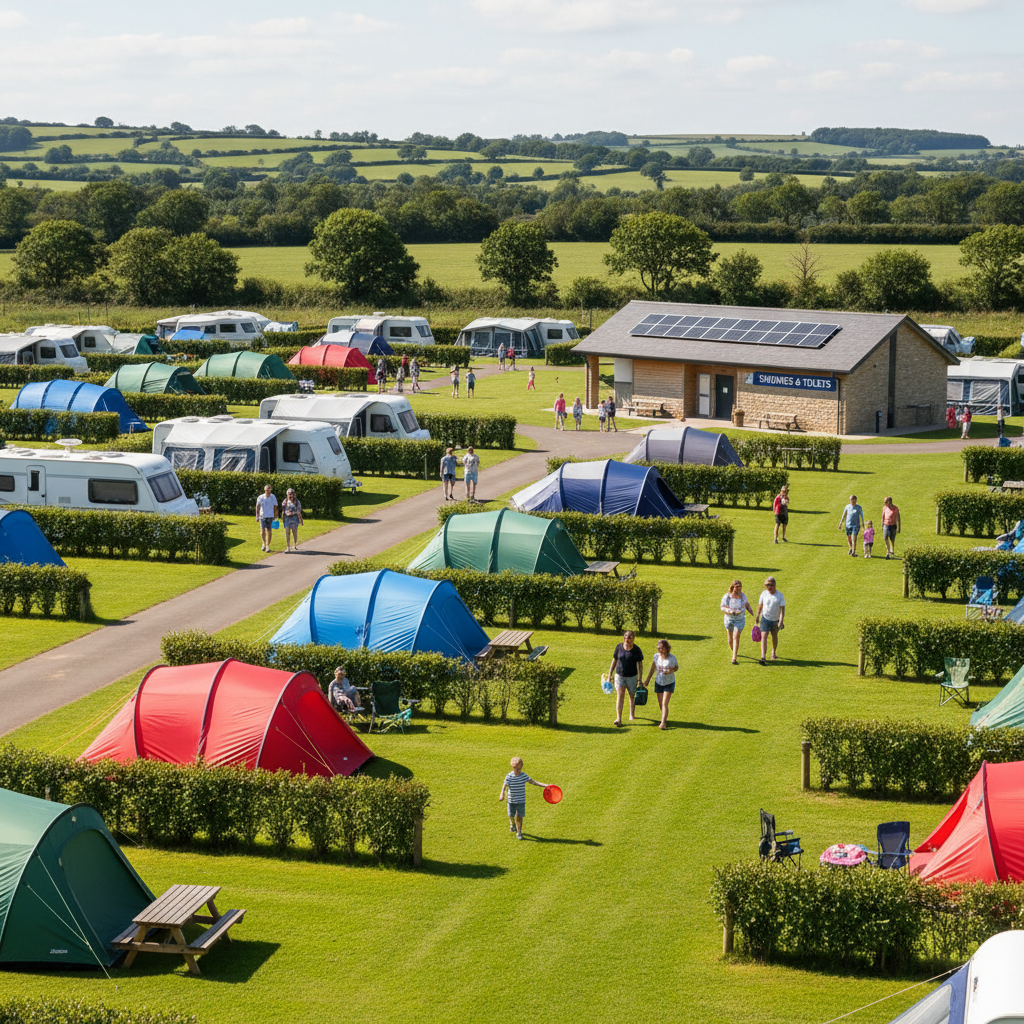
Where you go matters just as much as what you bring. For a first trip, a well-managed holiday park or touring caravan site is almost always a better choice than a remote wild camping spot. You'll have access to toilets, showers, and probably a cafe or shop nearby. That safety net makes a huge difference when you're still figuring things out.
Holiday parks across the UK range from simple grassy fields with basic facilities to full-on resort-style sites with swimming pools, entertainment, and on-site restaurants. Sites in popular areas like the Peak District, the Yorkshire Dales, Pembrokeshire, and the Scottish Highlands get booked up quickly during school holidays, so plan ahead if you're going in July or August.
What to Look for in a Beginner-Friendly Campsite
Look for sites with good reviews specifically mentioning clean facilities. A site might be beautiful but if the showers are grim, you'll notice. Check whether the pitch is grass or hardstanding (grass can get muddy after rain, hardstanding is firmer but less traditional). And check the site's rules around arrivals and departures so you're not turning up at 10pm to find the gate locked.
Campercation lists hundreds of UK campsites and holiday parks with honest reviews, photos, and real availability. It's a solid starting point when you're comparing options and not sure where to begin. Browse UK campsites and holiday parks on Campercation to find something that suits your trip.
Essential Camping Kit: What You Actually Need
The camping gear industry would have you believe you need hundreds of pounds of specialist equipment before you can even think about pitching a tent. You don't. For a first trip, you need the basics, and you can hire or borrow much of it.
Here's what genuinely matters for a first-time camper:
- A tent that fits your group with a little room to spare. A 3-person tent for 2 people, or a 5-person tent for a family of 4. You'll want space for bags and boots inside.
- Sleeping bags rated for the temperature you'll be camping in. The UK can be surprisingly cold at night even in summer. A 3-season bag (rated to around 0°C) is a good all-rounder.
- Sleeping mats or camping roll mats. This is where beginners often go wrong. A thin sleeping bag on bare groundsheet is cold and uncomfortable. An inflatable mat or foam roll mat makes a real difference.
- A camping stove and basic cooking kit. A simple two-burner gas stove, a lightweight pan, and a mug each will get you through most meals.
- A head torch per person. Not a shared family torch, one each. You'll thank yourself at 2am when you need the loo.
- A mallet for tent pegs, a groundsheet, and a small repair kit. Tent poles snap and pegs bend. A basic repair kit weighs almost nothing.
Don't go overboard with kit on your first trip. The temptation to buy everything in one go is real, but you're better off starting simple and adding gear after you know what you actually missed.
Gear You Can Borrow or Hire
Many campsites now offer kit hire, including tents, bedding packs, and cooking equipment. This is a great option for a first trip before you commit to buying your own. Alternatively, ask friends and family before spending money. Most people who camp have a garage full of gear that rarely gets used.
Planning Your Camping Food: Simple Meals That Actually Work
Camp cooking doesn't need to be complicated. But it does need a bit of thought, because arriving at your pitch hungry with no plan is a recipe for a miserable evening. Plan your meals before you go, and pack exactly what you need rather than stuffing a cool bag at random.
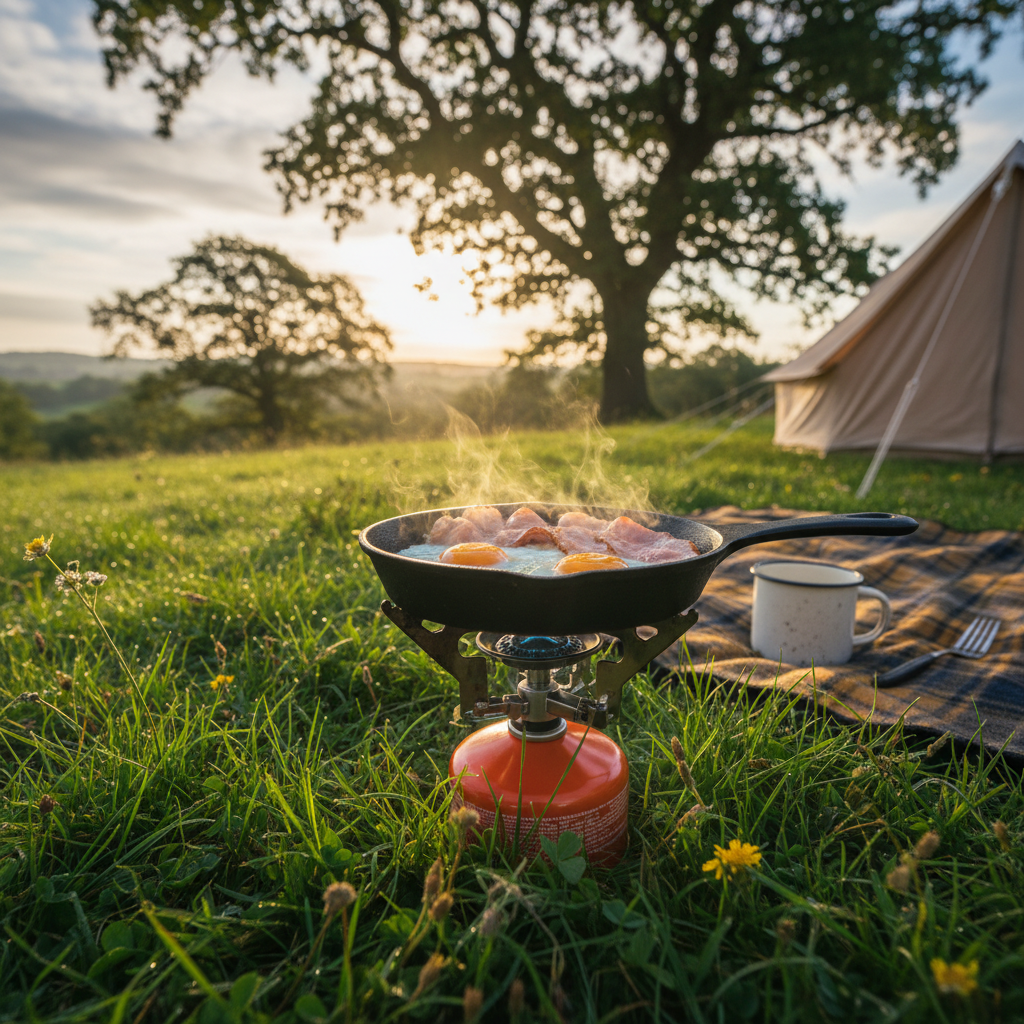
Breakfast is easy. Bacon, eggs, and bread on a gas stove takes about 10 minutes and tastes incredible outdoors. Tinned beans, pasta, and simple stews work well for dinner. Keep lunches simple with sandwiches, wraps, or a wander into the nearest village for a pub meal.
Keeping Food Cold and Safe
A decent cool bag with ice blocks will keep food cold for a day or two. For longer trips, a cool box is worth the investment. Keep raw meat at the bottom, separate from everything else. And check your campsite's rules on campfires and BBQs before you assume you can cook on one.
Supermarkets near popular camping destinations in Cornwall, the Lake District, and the Welsh coast can get very busy in summer. Shop before you arrive or go early in the morning if you're buying fresh food on site.
Staying Comfortable: The Bits People Don't Talk About Enough
Comfort on a camping trip often comes down to a few small details that get overlooked in the excitement of planning.
Sleep is the big one. If you sleep badly the first night, everything feels harder the next day. A good mat, a warm-enough sleeping bag, and earplugs (campsites can be noisy) will help a lot. Some people also find that a small pillow from home is worth the space in the bag.
Managing the Weather
The UK weather is unpredictable. Full stop. Even in August, you can get a cold wet night in Snowdonia or a torrential afternoon in the Brecon Beacons. Pack a waterproof jacket, a warm layer even if the forecast looks good, and wellies or waterproof footwear for muddy ground.
Pitching your tent with the door facing away from the prevailing wind makes a noticeable difference to warmth and condensation inside. And if the weather does turn properly bad, embrace it. A wet camping day spent in a pub with a bowl of soup is still a good holiday.
Campsite Etiquette for Beginners
Most campers are friendly and easy-going. But there are a few unwritten rules worth knowing. Keep noise down after 10pm. Don't let your guy ropes cross onto your neighbour's pitch. Pack your rubbish out or use the site bins. And if you're arriving late, use a red light rather than a bright torch so you're not lighting up the whole campsite.
Glamping and Motorhome Holidays: Alternatives Worth Considering
A traditional tent isn't the only way to go camping for the first time. Glamping has genuinely changed the game for people who want the outdoor experience without the sleeping-on-the-ground bit.
Bell tents, shepherd's huts, yurts, and wooden lodges are available at campsites across the UK, often for a similar price to a budget hotel. You get the campfire, the birdsong, and the views without worrying about whether you've packed the right sleeping bag. For families with younger children, it's often a much easier introduction to outdoor holidays.
Motorhome hire is another option that's grown hugely in popularity. Hiring a motorhome for a week gives you a mobile base with a proper bed, a small kitchen, and your own loo. It's more expensive than a tent trip, but for a first go at an outdoor UK holiday, the comfort level makes it a genuinely enjoyable experience rather than a test of endurance.
Caravan Parks as a Middle Ground
Static caravans on UK holiday parks sit somewhere between a tent camping trip and a self-catering cottage break. Sites like those you'll find in Yorkshire, Norfolk, and along the Dorset coast offer well-equipped caravans with heating, kitchens, and proper beds. For families in particular, a static caravan can be an ideal way to try the holiday park lifestyle before deciding whether to invest in your own equipment.
Many holiday parks also offer touring pitches for people with their own caravans or motorhomes, which means you get the benefit of a well-run site with facilities while still having your own space. Find caravan parks and glamping sites on Campercation and see what's available near your preferred destination.
Top Tips to Make Your First Camping Trip a Success
A few final thoughts from people who've done this many times and learned things the hard way.
Practice putting your tent up at home before you go. Seriously. Struggling with unfamiliar poles in the dark after a long drive is one of the most avoidable camping frustrations. Do it once in the garden and you'll arrive at your pitch feeling confident.
Arrive early if you can. Getting to your site with a few hours of daylight left gives you time to set up properly, find your bearings, and get the kettle on before it gets dark. Most campsites have a check-in window, but earlier is almost always better.
Charge your phone and download offline maps. Signal can be patchy at rural UK campsites, and navigation apps that rely on mobile data won't work if you've got no signal. Google Maps and OS Maps both offer offline downloads that are genuinely useful.
And finally, lower your expectations a little on the first trip. Something will probably go wrong, whether it's forgetting the tin opener, misjudging the weather, or discovering that your sleeping bag isn't quite warm enough. That's fine. Most camping disasters make brilliant stories by the time you're back home, and they're rarely as bad as they feel in the moment.
Ready to Book Your First Camping Holiday?
The hardest part of first time camping is usually just committing to it. Once you've done it once, even imperfectly, you'll almost certainly want to do it again.
The UK has some of the most beautiful camping country in the world, from the rugged coasts of Cornwall and Northumberland to the green hills of the Brecon Beacons and the dramatic glens of the Scottish Highlands. You don't need to go far to find somewhere genuinely special.
Head to Campercation.com to search campsites, holiday parks, glamping sites, and caravan parks across the UK. Filter by region, facilities, and availability to find something that suits your group and your budget. Your first outdoor adventure is closer than you think.