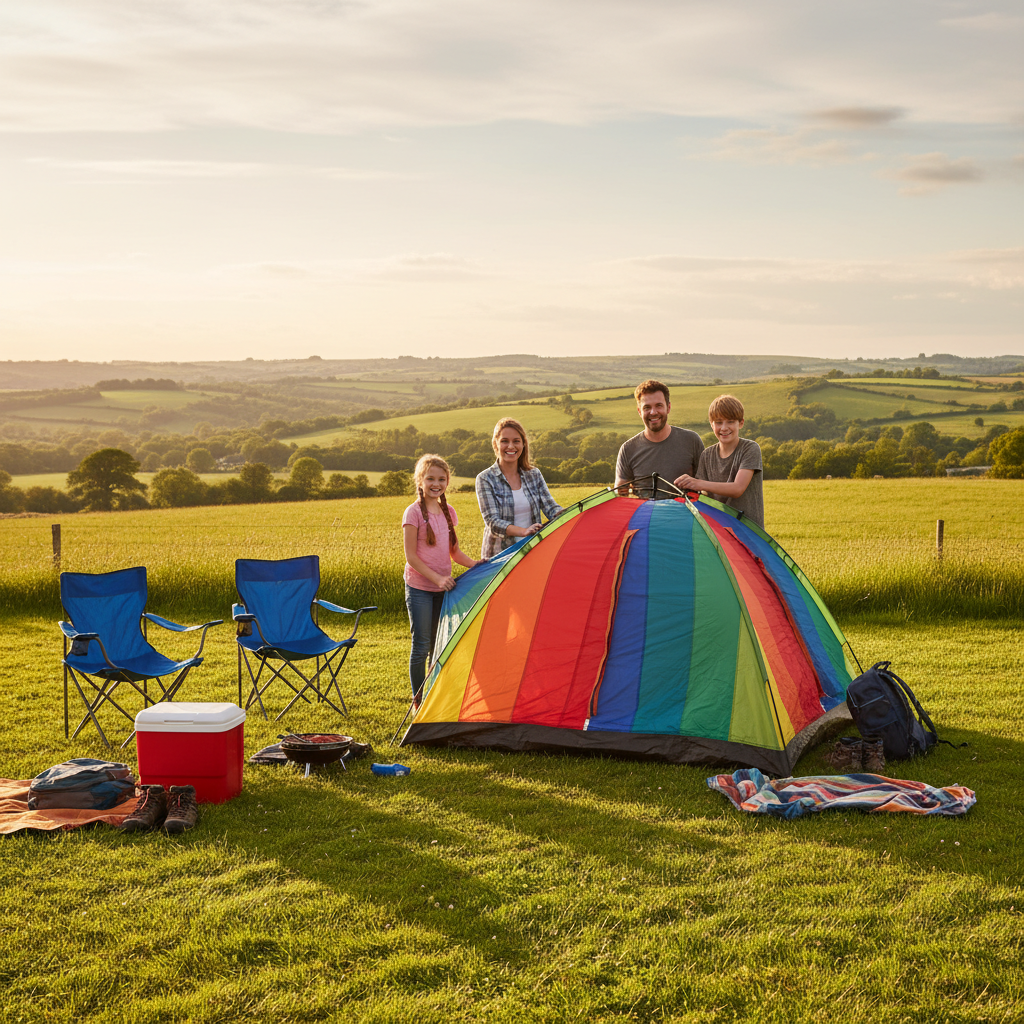
A solid camping checklist is the difference between a holiday you'll talk about for years and one you'd rather forget. Ask any seasoned camper about their first trip and they'll probably mention something they forgot. A torch. A tin opener. Dry socks. The list of small disasters is almost a rite of passage. But it doesn't have to be yours.
Whether you're pitching a tent for the first time at a friendly holiday park in the Lake District or heading off to a glamping site in the Cotswolds, getting organised beforehand takes the stress right out of it. This guide covers everything you need to pack, plan, and prepare for your first camping trip in the UK — and it's equally handy as a refresh for experienced campers who've got a little too relaxed about their packing routine.
Why a Camping Checklist Actually Matters
It sounds obvious. Pack your stuff, go camping. But the reality is that camping involves a surprisingly long list of kit, and forgetting even one or two items can genuinely ruin a day. No sleeping bag liner on a cold night in Snowdonia is no small thing. Running out of gas in the middle of cooking breakfast on a misty morning in the Peak District is deeply demoralising.
A proper checklist also stops you overpacking. First-timers almost always bring too much. A checklist forces you to be deliberate. You decide what's in, what's out, and you don't end up hauling a car boot stuffed with things you'll never use.
And if you're camping with kids, a checklist becomes even more critical. Children are brilliant at reminding you they need things at the worst possible moment. Getting ahead of that is a genuine gift to your future self.
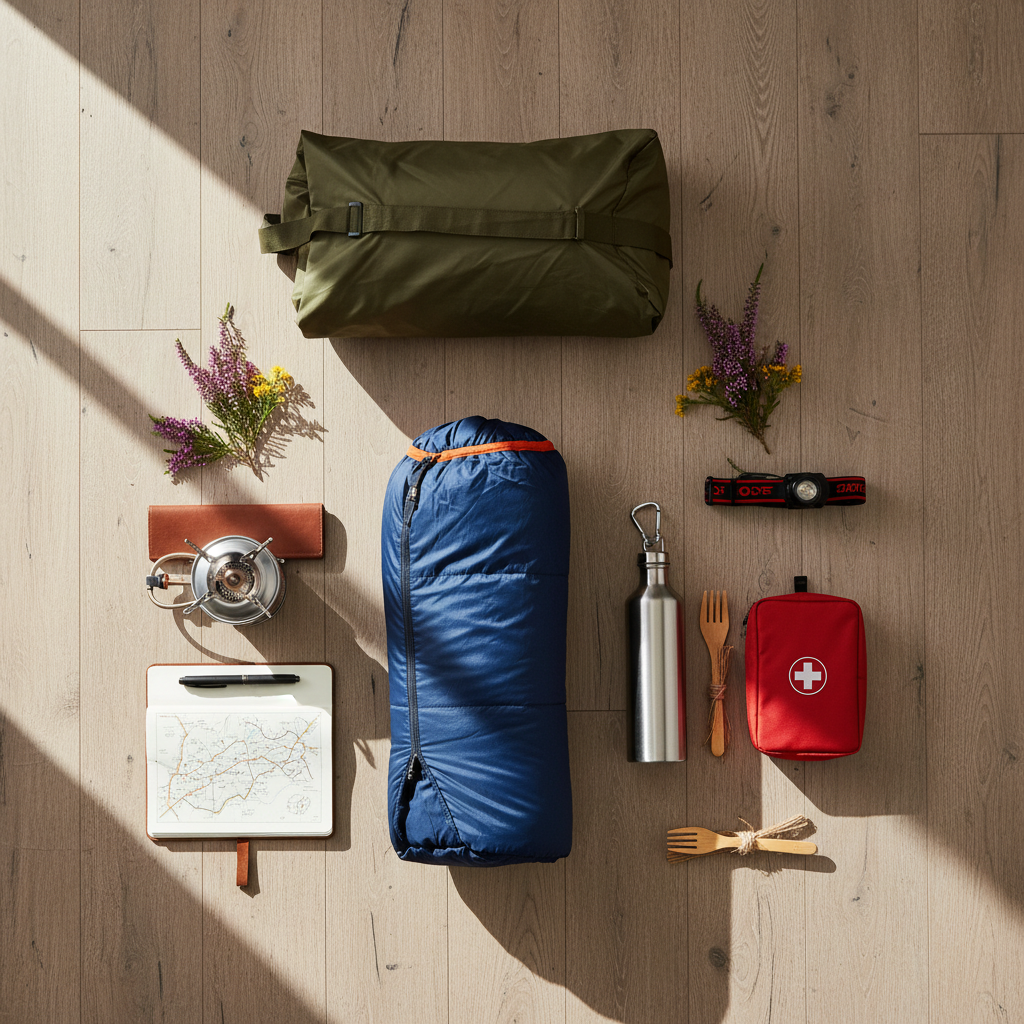
The Essential Camping Checklist: What to Pack
Let's get into the actual list. We've broken this down into categories so it's easy to work through section by section rather than trying to hold it all in your head at once.
Shelter and Sleeping
This is the non-negotiable stuff. Get this wrong and nothing else matters.
- Tent (with pegs, guy ropes, and a mallet — don't assume they're all included)
- Groundsheet or footprint for under the tent
- Sleeping bags rated for the expected temperature
- Sleeping mat or self-inflating pad for each person
- Pillows or compressible pillow sacks
- A small repair kit for your tent (seam sealer, duct tape, spare pegs)
A quick note on sleeping bag ratings. UK summer nights can drop to 7 or 8 degrees in parts of Scotland, Wales, and the north of England even in July. Don't assume a cheap 15-degree sleeping bag will do the job. If you're camping with children, size matters too — a small child rattling around in an adult bag won't stay warm.
Cooking and Food
Camp cooking is one of the genuine pleasures of a camping trip. Bacon and eggs on a camp stove with a mug of tea outside your tent is a simple joy. But you need the right kit to make it work.
- Camp stove and fuel canisters (bring at least one spare)
- Lighter and waterproof matches as backup
- Cooking pots and a frying pan
- Plates, bowls, mugs, and cutlery
- A sharp knife and a chopping board
- Washing-up bowl, biodegradable soap, and a scrubbing brush
- A cool box or camping fridge for perishables
- Tin opener (seriously, don't forget this)
- Reusable water bottles and a water carrier
Plan your meals before you go. Even just a rough idea of what you're cooking each day prevents panic buying at a overpriced campsite shop. Simple meals work best. Think pasta, stir-fries, wraps, and of course the classic campfire sausages.
Clothing and Footwear
British weather is famously unpredictable. You can get all four seasons in a single afternoon in the Yorkshire Dales. Layer up, always bring a waterproof, and pack more socks than you think you'll need.
- Base layers (thermal if camping in spring or autumn)
- Mid-layers like fleeces or hoodies
- A good waterproof jacket for each person
- Waterproof trousers (optional but genuinely useful)
- Sturdy walking boots or trail shoes
- Flip flops or sandals for the campsite
- Plenty of socks and underwear
- A warm hat and gloves (even in summer if you're in Scotland)
- Swimwear if there's a beach or pool nearby
Toiletries and First Aid
Most campsite facilities in the UK are perfectly good. But you'll want your own supplies for convenience and hygiene, especially during busy summer weekends.
- Toothbrush, toothpaste, and floss
- Biodegradable shampoo, conditioner, and body wash
- Toilet paper and a small trowel (if wild camping)
- Sunscreen — high SPF, reapply often
- Insect repellent (midges in Scotland are no joke)
- A well-stocked first aid kit including plasters, antiseptic, pain relief, and antihistamines
- Any prescription medication you need
- Hand sanitiser and a small hand towel
Don't underestimate midges. If you're heading to the Scottish Highlands or anywhere in the north between May and September, a decent midge repellent is as essential as your sleeping bag. Smidge and Avon Skin So Soft are both popular choices among UK campers.
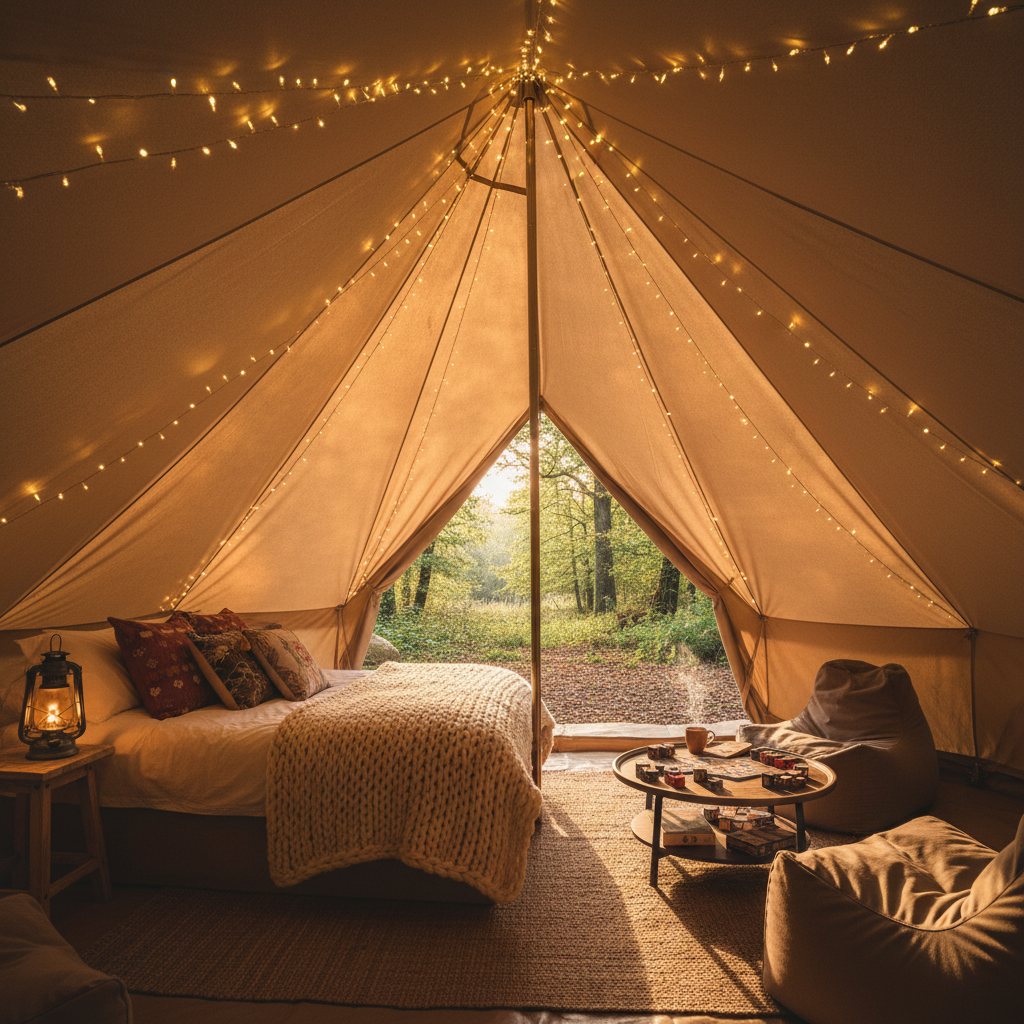
Camping Comfort Items Worth Bringing
Once the essentials are sorted, these extras can genuinely improve your trip. None of them are critical, but most campers wouldn't want to be without them once they've tried camping with them.
- A headtorch for each person (batteries included)
- Camping chairs and a small folding table
- A windbreak for exposed sites
- A tarp or awning for extra covered space outside the tent
- A portable power bank for charging phones
- Cards, travel games, or a book for evenings
- A clothesline and pegs for drying wet gear
- Dry bags to keep kit waterproof in your rucksack
Good lighting is underrated. A lantern inside the tent and a headtorch for navigating to the loos at 2am are genuinely useful. It sounds minor. It isn't, at 2am.
Picking the Right Campsite for Your First Trip
The checklist covers what to bring, but where you go matters just as much. For first-timers, a well-equipped holiday park or campsite with proper facilities is a much better starting point than a remote field with no running water.
Look for sites that offer:
- Clean toilets and shower facilities
- Electric hook-up pitches if you want the option of using a heater or charging devices
- A camp kitchen or dishwashing area
- Nearby amenities like a village, farm shop, or pub
- Good reviews from families or couples similar to you
The UK has thousands of brilliant campsites to choose from. From the stunning beaches of Cornwall and Pembrokeshire to the rolling hills of the South Downs and the dramatic scenery of the Scottish Highlands, there's something for every taste and budget. Browse campsites and holiday parks across the UK on Campercation to find somewhere that suits you perfectly.
Considering Glamping as a Starting Point
Not quite ready to sleep on the ground? Glamping is a brilliant middle ground. Bell tents, shepherd's huts, yurts, and treehouses offer the outdoors experience without the faff of setting up your own tent. Many glamping sites come with beds already made up, a wood burner, and even a private hot tub. It's camping with the difficulty level turned right down.
Glamping is especially popular with couples celebrating birthdays or anniversaries, and with families who want to try outdoor holidays before investing in a load of kit. You can find gorgeous glamping options across the UK on Campercation — from rustic woodland cabins in Wales to seafront bell tents in Devon.
Caravan Holidays and Motorhome Trips: A Different Kind of Checklist
If you're heading out in a caravan or motorhome rather than a tent, many of the basics still apply. But there are some additional things to think about.
Caravan and Motorhome Essentials
- Mains electric hookup cable (at least 25 metres is recommended)
- Water hose for connecting to the site supply
- Levelling ramps to get the van sitting flat on uneven ground
- Chocks for the wheels
- A wastewater container if your pitch doesn't have drainage
- Gas bottles and a regulator
- Spare fuses and a basic toolkit
- A sat nav or up-to-date maps for low bridges and tight lanes
Caravan parks and motorhome sites across the UK range from simple no-frills pitches to full holiday resorts with pools, entertainment, and restaurants. For families, some of the larger holiday parks offer the best of both worlds — the freedom of staying in your own space while having resort-style facilities on your doorstep. Search for caravan-friendly holiday parks on Campercation to find the right fit for your next trip.
Top Tips for a Brilliant First Camping Trip
Before we wrap up, here are a few final bits of practical wisdom from people who've been doing this for years.
Do a trial run. Pitch your tent in the garden before you go. It sounds unnecessary until you're standing in a field at dusk trying to figure out which pole goes where for the first time. Practice takes ten minutes. The alternative takes much longer and usually involves mild swearing.
Book early for peak dates. The most popular campsites across the UK fill up fast for school holidays, bank holidays, and weekends in July and August. If you've got specific dates in mind, book as early as you can.
Check the weather but don't be ruled by it. British weather forecasts beyond about 48 hours are pretty unreliable. Pack for rain regardless, and you won't be disappointed. A wet day at a good campsite is still a good day with the right kit and attitude.
Leave no trace. Take your litter home, use the campsite facilities for waste disposal, and be considerate of other campers around you. The golden rule is to leave the site better than you found it.
Talk to your neighbours. This sounds like odd advice, but one of the best things about camping in the UK is the community feel at a good site. The couple next to you might have a brilliant tip about a local walk or a great pub they found yesterday. That's the kind of local knowledge no travel guide has.
Ready to Book Your First Camping Adventure?
A good camping checklist won't just help you remember your sleeping bag — it'll give you the confidence to actually go. And once you've had your first proper camping trip in the UK, you'll wonder what took you so long. The fresh air, the simplicity, the evenings by a campfire with a glass of something cold. It really is something special.
Head over to Campercation to browse hundreds of campsites, caravan parks, holiday parks, and glamping sites across the UK. Filter by region, facilities, and pitch type to find somewhere that's perfect for your first trip — or your fiftieth.