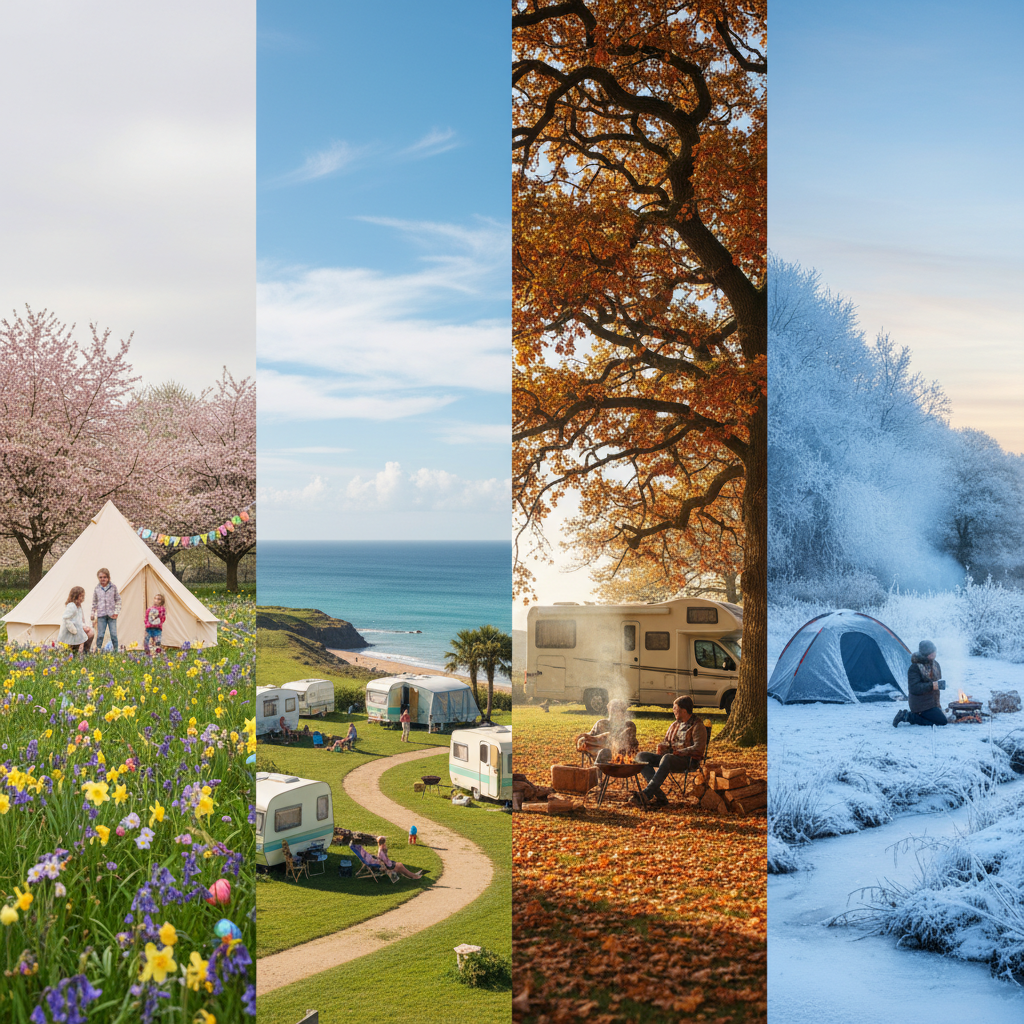
Planning camping holidays UK can feel overwhelming when you're trying to figure out the best time to go, what to pack, and which type of site suits your family's needs. The good news? There's genuinely no bad time to go camping in Britain — just different experiences depending on the season. And each one has its own magic.
Whether it's an Easter break with the kids, a long summer stay on a coastal caravan park, a quick half-term escape, or a brave winter camping weekend, the UK has brilliant options all year round. This guide breaks it all down so you can make the most of every season.
Easter Camping Holidays: The Perfect Season Opener
Easter is many campers' favourite time of year. The crowds haven't arrived yet, the countryside is bursting into life, and there's a real sense of optimism after months indoors. It's not guaranteed sunshine, but that's part of the charm.
Most holiday parks and campsites across the UK reopen for Easter weekend, which usually falls anywhere between late March and mid-April. Book early. Easter pitches at popular sites in Cornwall, the Lake District, and the Yorkshire Dales sell out months in advance.
What to Expect at Easter
Temperatures can range from a brisk 6°C in Scotland to a pleasant 15°C in the south of England. Layering is your best friend. Pack waterproofs, but don't let the forecast put you off — a dry Easter day in Pembrokeshire or the Peak District is genuinely stunning.
Many holiday parks run Easter egg hunts, kids' activities, and seasonal entertainment over the bank holiday weekend. Sites like those in Norfolk and the New Forest tend to offer a great mix of nature and on-site facilities for families.
Easter Camping Tips
- Book at least 3-4 months ahead for popular Easter sites
- Pack a four-season sleeping bag if you're in a tent — nights can be cold
- Check whether your chosen site has heated facilities open (not all do at Easter)
- Look for sites near village pubs and local shops — they're often quieter and great value
Not sure where to start? Browse Easter-friendly caravan parks and campsites on campercation.com and filter by region.
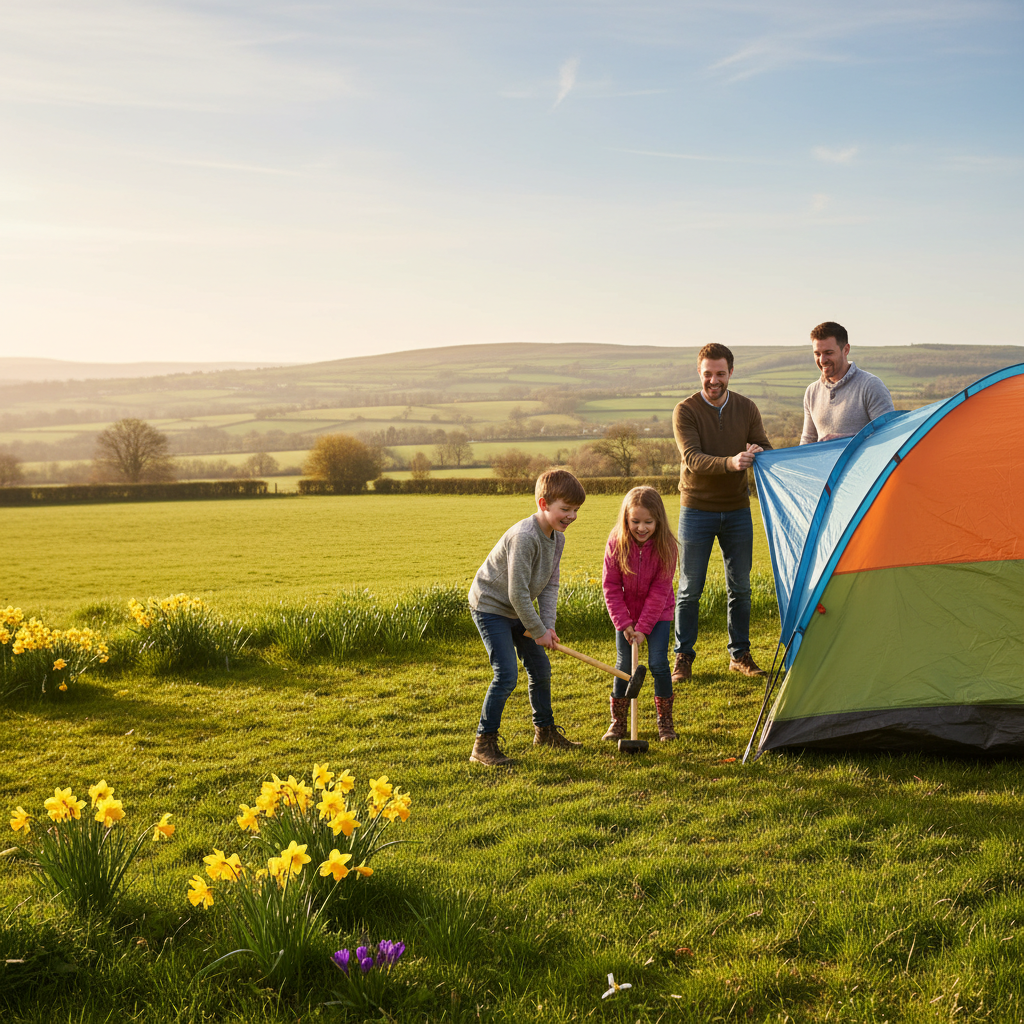
Summer Camping: The Big Season Everyone's After
Summer camping is the heartbeat of the UK holiday industry. School's out, the days are long, and there's nowhere better to be than a field in Devon or a hillside pitch in Wales with a barbecue going and the kids running wild. It's the stuff childhood memories are made of.
July and August are peak weeks. Prices go up, sites fill up, and the roads to places like the Gower Peninsula, Dorset, and the Scottish Highlands get busier. But the payoff is real: warm evenings, local events, and a buzzing atmosphere on well-run holiday parks.
Choosing Your Summer Site
The type of site you pick will define your summer break entirely. Busy holiday parks with swimming pools, entertainment, and organised activities are fantastic for families with younger children. Quieter, adults-only sites or certified locations (CLs) are ideal for couples and retirees looking for peace and birdsong rather than bingo nights.
Glamping has exploded in popularity over the past five years. Bell tents, shepherd's huts, and yurts dotted across countryside sites offer a brilliant middle ground — all the fresh air and outdoor feeling without the fuss of pitching a tent at 9pm after a four-hour drive. Sites in the Cotswolds, Snowdonia, and the Scottish Borders have some exceptional glamping options.
Making the Most of Summer Camping
- Book 6-12 months ahead for peak summer weeks in popular areas
- Try a mid-week arrival to dodge the weekend queues at check-in
- Pack a windbreak — coastal sites in Devon and Cornwall can be breezy even in July
- Look for sites near National Trust properties or AONB land for free day trips
- Consider a motorhome hire if you want flexibility to move between sites
Motorhome holidays give you the freedom to follow the weather, chase the coast, or head deeper into the hills when the mood takes you. It's a growing trend for good reason.
Half-Term Breaks: Quick Escapes That Punch Above Their Weight
Half-term camping is seriously underrated. You've got five or six days, school's out, and you don't need to travel to the other end of the country to have a genuinely great time. A well-chosen site two hours from home can feel like a proper holiday.
There are five main school half-terms in the UK calendar: February, May, late May/June, October, and the Christmas break. Each one feels completely different when you're camping.
May Half-Term
Late May is arguably the best half-term for camping. The weather is often warm and settled, the school holiday crowds haven't fully kicked in, and campsites are buzzing without being rammed. Coastal sites in Wales and the south-west are brilliant at this time of year. The sea might still be chilly, but that won't stop the kids.
October Half-Term
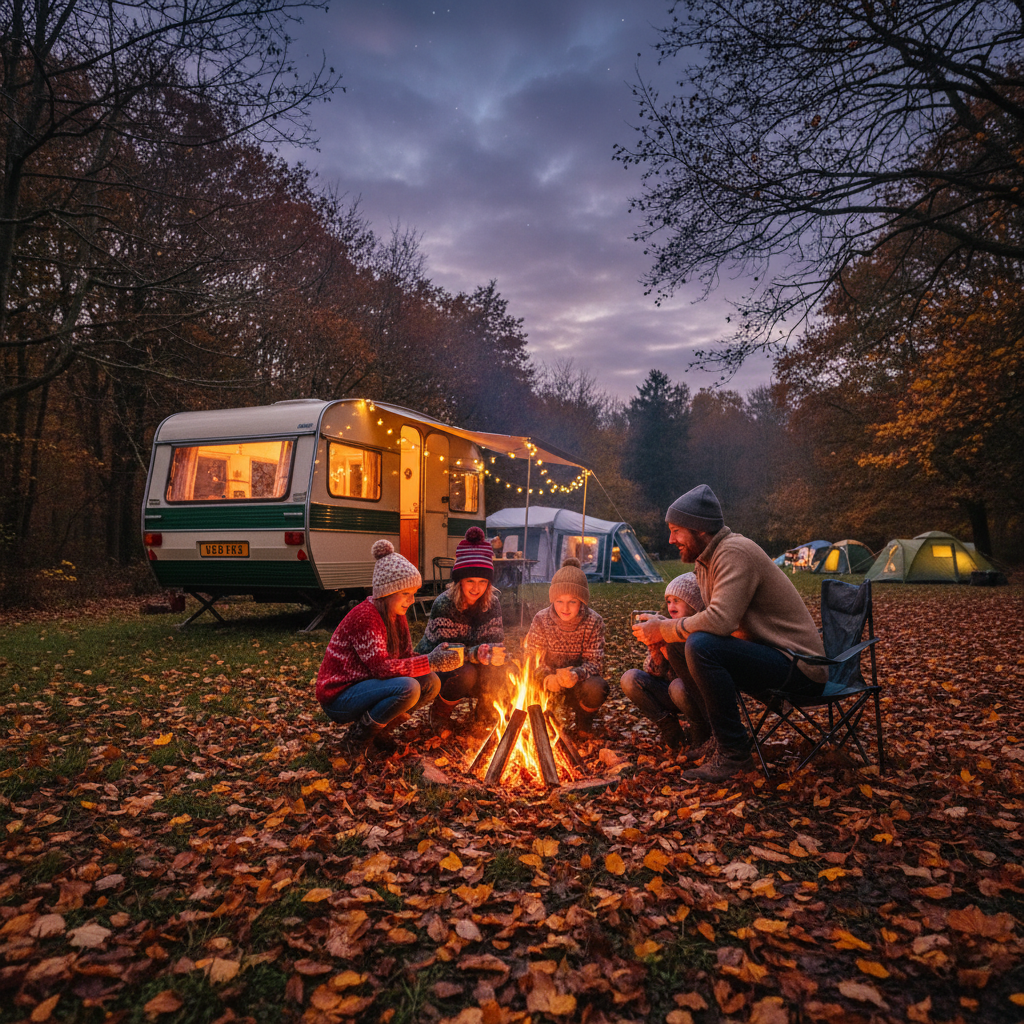
October half-term camping is for the adventurous. Yes, it'll be cooler. Yes, you might get rain. But there's something genuinely brilliant about sitting around a campfire on a crisp autumn evening with a mug of hot chocolate. The New Forest in October is spectacular — golden leaves, free-roaming ponies, and far fewer visitors than summer.
Caravanning or staying in a glamping pod makes October half-term a much more comfortable prospect for families who don't fancy sleeping in a tent in near-freezing temperatures.
Half-Term Camping Tips
- Check your region's half-term dates — they vary slightly across England, Scotland, and Wales
- Book at least 8 weeks ahead for May and October half-term
- Look for sites with indoor facilities in case the weather turns
- Pack board games and card games — a rainy afternoon under the awning is actually lovely with the right kit
Winter Camping: Cold, Quiet, and Completely Brilliant
Right, let's be honest. Winter camping isn't for everyone. But if you've got decent gear and you're open to the idea, it's one of the most rewarding experiences you can have outdoors in the UK.
The parks are empty. The countryside is stunning. Prices drop significantly. And there's a real sense of achievement in waking up to a frost-covered field and brewing your first coffee of the day.
Who Is Winter Camping For?
Mostly, it suits couples, solo travellers, and experienced caravanners who have proper insulation and heating set up in their van. Many caravan parks close between November and February, but a growing number stay open year-round, particularly in milder areas like Cornwall, Devon, and coastal Wales.
If you're in a tent, go for a four-season model rated to at least -5°C and invest in a good quality sleeping mat — cold from the ground is your biggest enemy, not the air temperature.
Winter Camping Destinations Worth Considering
The Jurassic Coast in Dorset is spectacular in winter. The crowds disappear entirely, the cliffs look dramatic in low light, and local towns like Swanage and Wareham are wonderfully quiet. Sites around Lulworth Cove that are heaving in August become genuinely peaceful.
Scotland in winter is a completely different adventure. Snowdonia and the Cairngorms attract winter walkers and those chasing snow-capped views. If you're winter camping in Scotland, check weather forecasts obsessively and always have an exit plan.
Essential Winter Camping Gear
- A four-season sleeping bag rated well below the temperatures you expect
- Insulated sleeping mat with an R-value of at least 4
- Layering system: base layer, mid-layer fleece, waterproof outer shell
- Hot water bottle — cheap, effective, and life-changing on a cold night
- A reliable gas stove (butane struggles below freezing; use propane or mixed canisters)
- Head torch with fresh batteries — winter sunsets come early
Caravanners should check their water pipe insulation and use a frost protector if temperatures are forecast to drop below 0°C.
Seasonal Packing: What Changes and What Doesn't
Across every season, some camping essentials never change. A good waterproof jacket. A decent first aid kit. A torch. Enough food and water for the first night. But beyond that, your kit list should shift depending on when you're going.
Summer camping tends to mean you can pack lighter on warmth gear and heavier on sun protection, insect repellent, and cooling items. Easter and October half-term require a transitional kit — prepared for both sun and rain in the same day. Winter camping demands that you prioritise warmth above everything else. You can always cool down. Getting cold in a tent at 2am with the wrong gear is miserable.
Year-Round Camping Essentials
- Waterproof jacket and trousers
- Reusable water bottles and a water filter if you're heading to remote sites
- First aid kit with blister plasters, antiseptic, and antihistamines
- Portable power bank for phones and devices
- Cash — smaller campsites and farm shops often don't take cards
Finding the Right Site for Every Season
With thousands of campsites, caravan parks, holiday parks, and glamping sites across the UK, finding the right one can feel like a full-time job. It doesn't have to be.
On campercation.com, you can search by region, accommodation type, season, and facilities to find exactly what you're after. Looking for an Easter-ready caravan park in Yorkshire with electric hook-up? It's there. A summer glamping site in Snowdonia with wood-fired hot tubs? Also there. A winter-friendly site in Cornwall that stays open year-round? Absolutely there.
Start by deciding what kind of holiday you want — relaxed and social, or quiet and immersed in nature. Then let the season guide your kit list, your booking timeline, and your choice of destination. The UK camping scene is genuinely brilliant, and every season has its own reasons to get out there.
So pick your dates, pack your bags, and go find your perfect pitch. It's waiting for you right now.