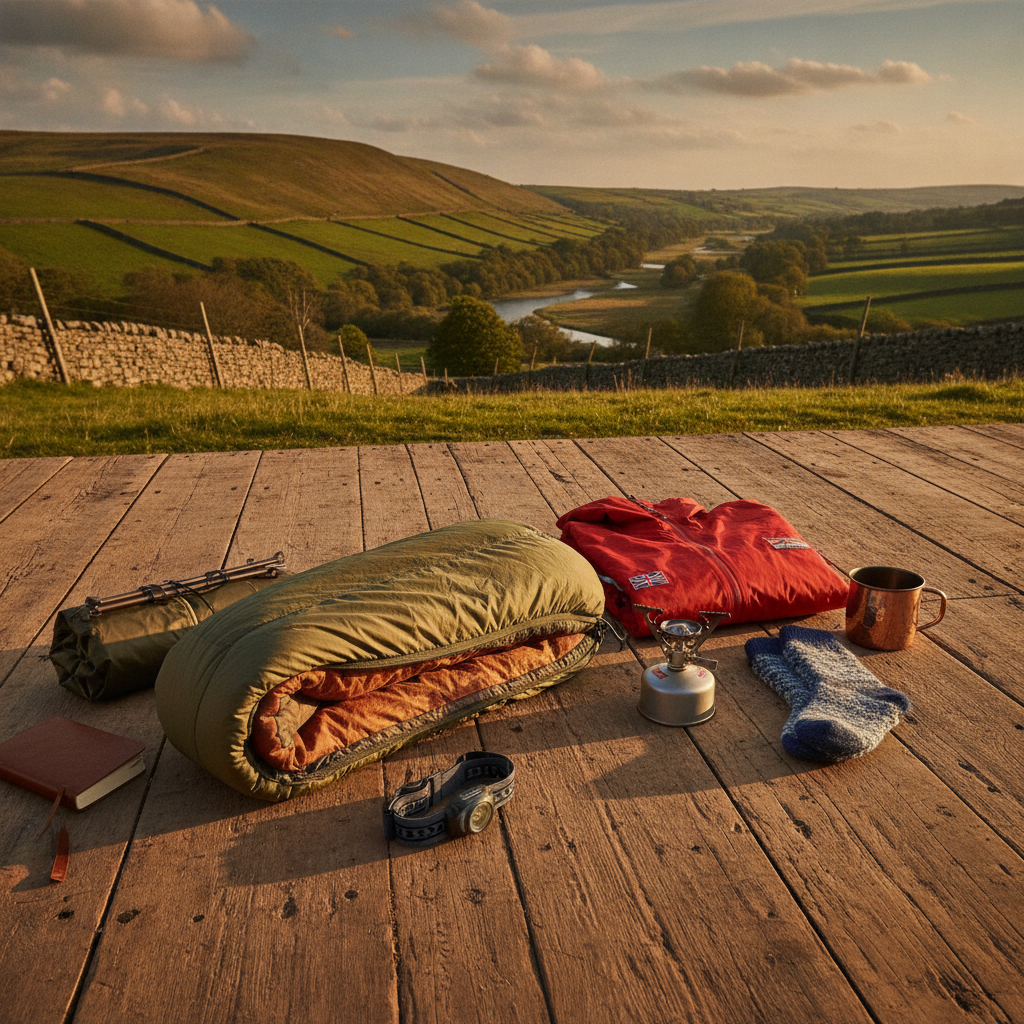
Camping packing is one of those things that looks simple until you're standing in a field at 10pm, rummaging through a holdall for a torch you definitely packed. Everyone overpacks on their first trip. Most people still overpack on their fifth. A well-thought-out kit list can genuinely make or break a camping holiday, and yet it's the thing most guides gloss over with a vague "bring layers" and call it done.
This guide is different. We've pulled together real, practical camping packing tips based on what actually gets used on a UK camping trip — and what ends up sitting at the bottom of a bag all week. Whether you're heading to a family-friendly holiday park in the Lake District or a quiet caravan site in the Brecon Beacons, the principles are the same.
The Golden Rule of Camping Packing
Before you throw anything into a bag, there's one rule worth burning into your brain: pack for the trip you're actually going on, not the trip you're imagining. This sounds obvious. It isn't.
A lot of people pack for a survivalist adventure in the wilderness when they've actually booked a serviced pitch at a well-equipped holiday park with a shop, café, and indoor toilets 40 metres away. There's a massive difference between wild camping in Snowdonia and a week at a site in the Cotswolds with electric hook-up and a heated swimming pool.
So before anything else, ask yourself three questions. What kind of site is it? How far is the nearest shop? What's the weather forecast showing? The answers will shape your entire packing list.
Camping Packing Tips: The Essentials You Can't Skip
Some things are non-negotiable. These are the items that, if forgotten, will ruin your trip rather than just mildly inconvenience you.
Shelter and Sleep
Your tent, sleeping bag, and sleeping mat are the holy trinity of camping kit. Get these wrong and nothing else matters. For UK camping, always check a sleeping bag's comfort rating — a bag rated to 5°C isn't warm enough for a British summer night in Scotland or the North York Moors, where temps can drop to single figures even in July.
A sleeping mat is often the most underestimated item in a beginner's kit. It's not just about comfort; it provides insulation from cold ground. Foam mats are cheap and bombproof. Self-inflating mats are a step up. Either way, don't skip it.
And check your tent before you leave. Actually pitch it in the garden. A broken pole or a missing guyline discovered at 8pm on a wet Friday in Cumbria is no fun at all.
Cooking and Eating
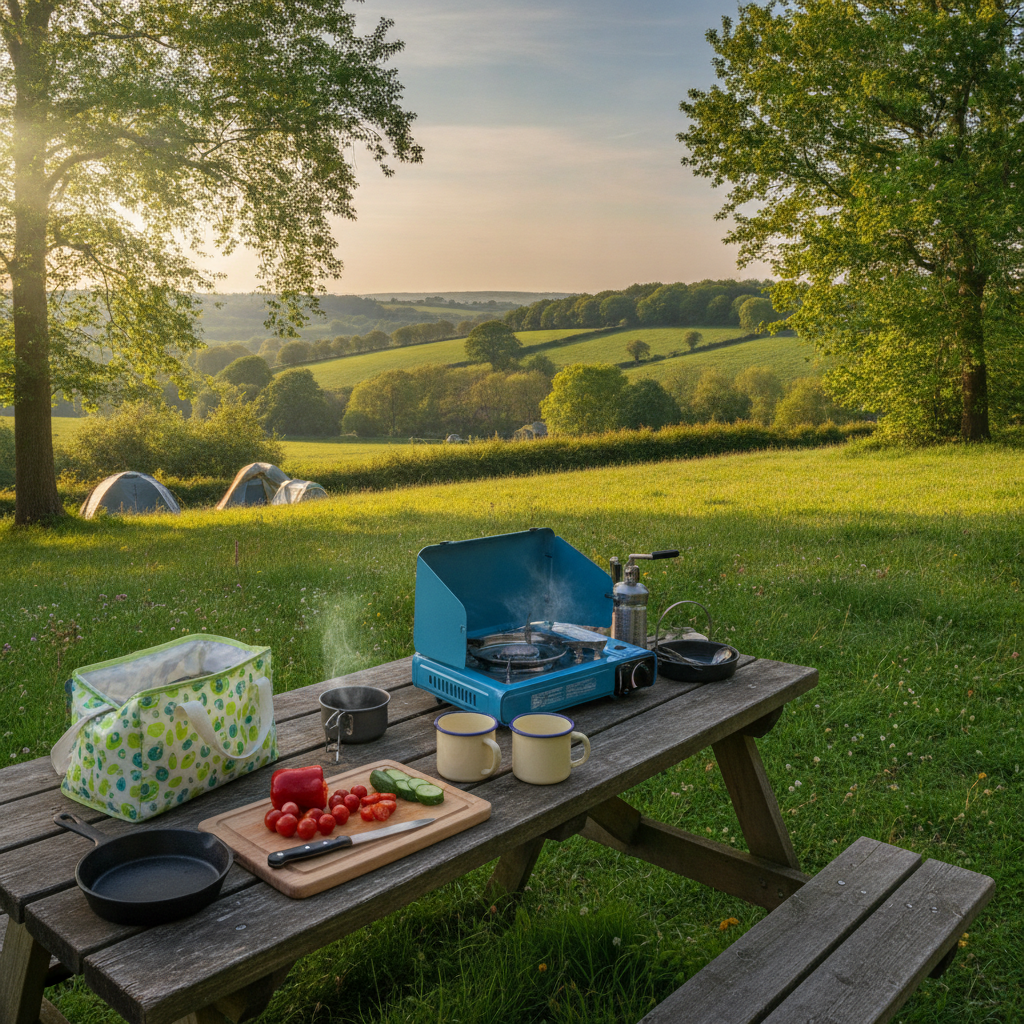
You don't need a full camping kitchen. But you do need a few basics. A compact camping stove, a lighter (plus a backup), a pot, a pan, some plates, mugs, and a decent knife will cover 95% of meals on site. Pack a washing-up bowl, a small bottle of washing-up liquid, and a scourer. It weighs almost nothing and saves a lot of grief.
Keep food storage simple. A cool bag with ice blocks is fine for most short trips. For longer stays, some caravan parks and holiday parks in the UK have on-site fridges or freezers you can use — worth checking when you book.
Clothing: The Layering System
UK weather is unpredictable. You know this. Pack accordingly. The layering system — a base layer, a mid layer, and a waterproof outer layer — gives you flexibility without bulk. Three thin layers beat one thick jumper every time.
Pack more socks than you think you need. This is not negotiable. Wet socks on day two of a five-day trip are a miserable experience. Merino wool socks dry faster and stay fresher for longer, which is worth knowing.
Don't forget a warm hat even in summer. Evenings around the campfire can turn chilly fast, especially at higher-altitude sites in Wales or the Peak District.
What First-Time Campers Almost Always Forget
There's a fairly predictable list of things new campers leave at home. Some are minor. A few can genuinely cause problems.
A headtorch is probably the number one forgotten item. Not a handheld torch — a headtorch. When you're cooking, setting up a tent, or walking to the toilet block at midnight, having both hands free is essential. Buy one before your first trip. They cost around £10-£15 and last for years.
Mallet and spare tent pegs. If your tent came with lightweight wire pegs, replace them. Hard ground, rocky soil, and windy nights will bend and snap those pegs. Chunky plastic or metal pegs grip far better.
A groundsheet or footprint for under your tent. It protects the tent floor and adds an extra barrier against moisture. Many people skip this. Many people also wake up damp.
Paracord or guylines. If your tent has attachment points for extra guylines, use them in windy conditions. UK campsites, especially coastal ones in Cornwall or along the Pembrokeshire Coast, can get battered overnight. A bit of extra anchoring makes a real difference.
Smart Ways to Cut Down What You Carry
Overpacking usually happens because of anxiety. People add "just in case" items until the boot is full. Here's a more practical approach.
The One Week Test
For any item you're unsure about, ask: would I use this at least once in seven days? If the answer is genuinely no, leave it. A portable hammock sounds lovely. But if you're on a busy holiday park with no trees near your pitch, it'll just take up space.
Doubling Up
Some items do multiple jobs and are worth prioritising for that reason. A microfibre towel dries fast and packs small, replacing both a bath towel and a gym towel. A Swiss army knife or Leatherman multi-tool can replace a whole drawer of separate tools. A large dry bag works as a laundry bag, a storage bag, and an emergency rain cover for kit left outside.
Buying on Site
Most well-run UK holiday parks and caravan sites sell the basics in their on-site shop — firelighters, washing-up liquid, tea bags, cereal, and emergency ponchos. You don't need to pack enough supplies for an apocalypse. A three-day supply of food is usually plenty even on sites far from a town.
Packing for Different Types of Camping Trip
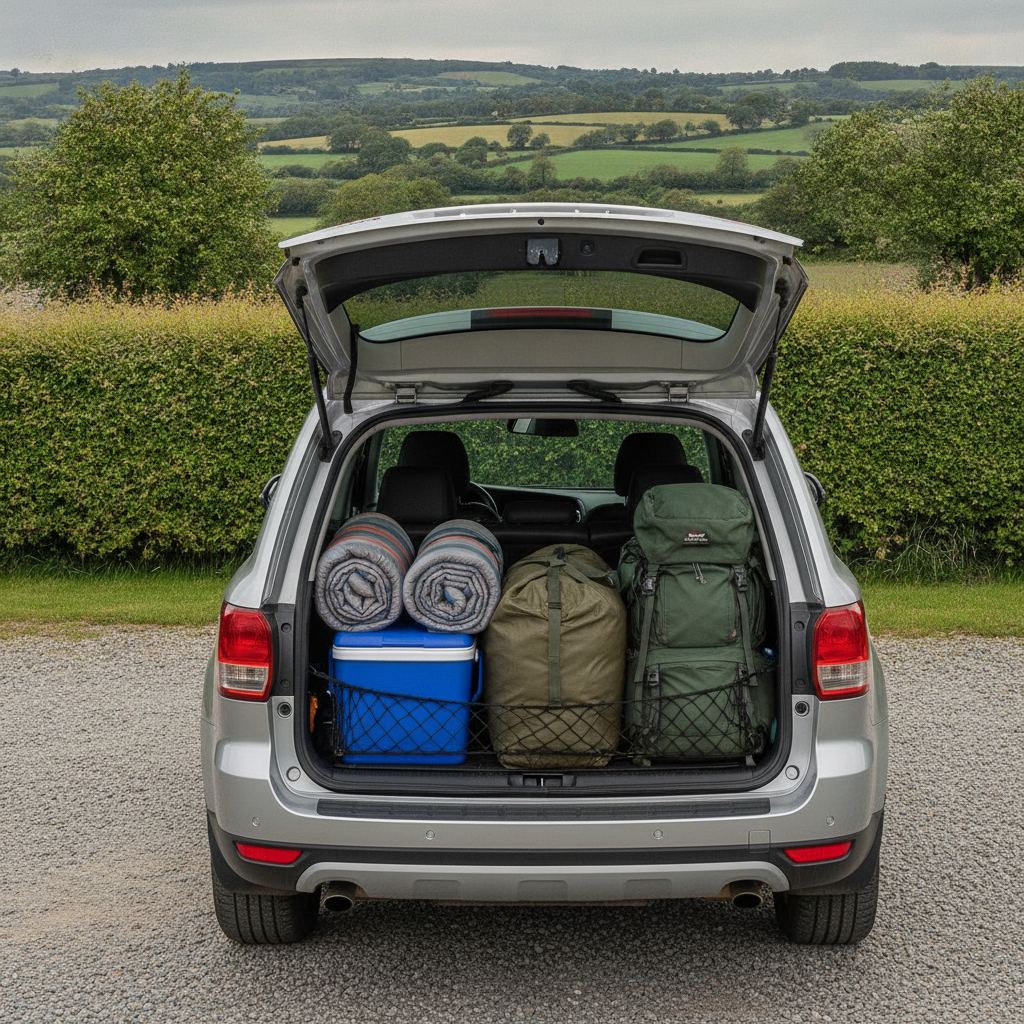
Not all camping trips are the same. What you pack for a weekend motorhome hire in the Scottish Highlands looks very different from a family tent holiday at a holiday park in Norfolk.
Tent Camping
Every gram counts, and so does every cubic centimetre of packing space. Focus on compact, dual-purpose kit. Roll clothes instead of folding them. Use compression sacks for sleeping bags and fleeces. Pack a small day bag you can use for walks and day trips without hauling everything.
Caravan Trips
You've got more space, so comfort items become more viable. A proper pillow, a small fan, a cafetière, a folding table and chairs for outside — these all make sense when you're not lugging everything on your back. But be strict about weight limits on your caravan's nose weight and maximum payload. Overloading is a serious safety issue and worth looking up before you pack.
Motorhome Holidays
A motorhome gives you built-in storage and (usually) a kitchen, bathroom, and beds. The temptation is to treat it like a home and pack accordingly. Resist this. Storage areas in motorhomes are deceptive — they look spacious until they're full. Prioritise clothing, food, and personal items over "nice to have" gadgets you'll use once.
Glamping
Glamping changes the equation entirely. A lot of glamping accommodation in the UK comes fully equipped — beds with proper linen, a wood burner, a kitchenette, sometimes even a hot tub. Check the listing carefully before packing a single thing. You might need almost nothing beyond clothing and toiletries.
If you're browsing glamping options on Campercation, each listing shows exactly what's included so you can plan your packing accordingly.
A Practical Camping Packing Checklist by Category
Here's a no-frills checklist built around UK camping realities. It's not exhaustive — it's a starting point you can trim to fit your trip.
Shelter
- Tent (pitched and tested at home first)
- Sleeping bag rated for the right temperature
- Sleeping mat or inflatable pad
- Groundsheet or tent footprint
- Mallet and spare tent pegs
- Extra guylines
Cooking
- Camp stove and fuel canister
- Lighter plus backup matches
- One pot, one pan
- Plates, mugs, cutlery
- Washing-up bowl, liquid, scourer
- Cool bag with ice blocks
- A good sharp knife
Clothing (adjust for season)
- Base layers (moisture-wicking)
- Mid layers (fleece or wool)
- Waterproof jacket and trousers
- Warm hat and gloves
- Multiple pairs of socks (merino if possible)
- Sturdy footwear and sandals or flip flops
Lighting and Navigation
- Headtorch and spare batteries
- Lantern for inside the tent
- Offline maps downloaded on your phone
- Portable phone charger (power bank)
Hygiene and First Aid
- Travel toiletries
- Microfibre towel
- Toilet roll (always bring your own)
- Basic first aid kit with blister plasters
- Insect repellent
- Sun cream (yes, even in the UK)
One Last Thought Before You Zip Up That Bag
The best camping trips aren't the ones with the most kit. They're the ones where you've got exactly what you need, nothing is getting in the way, and you've got time and space to actually enjoy where you are.
Pack smart, check your list twice, and pitch your tent at home before you go. Everything else is details.
Ready to find your next UK camping, caravan, or glamping destination? Browse thousands of listings at Campercation.com and filter by pitch type, facilities, and region to find the perfect site for your trip.